Power & Sizing
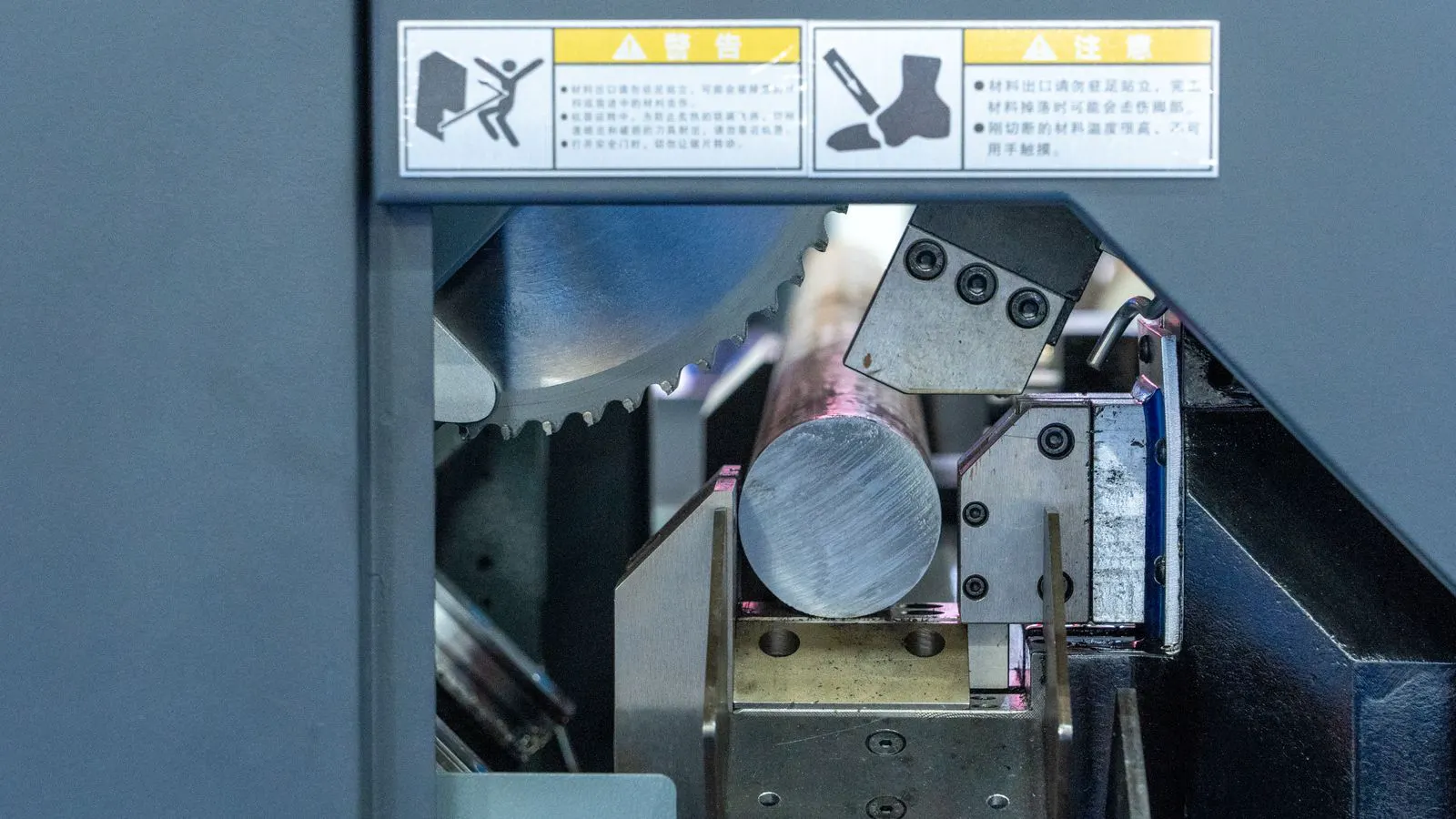
Future of Laser Sizing: How Efficiency Trends Shape Machine Selection
Efficiency improvements are changing how buyers size laser systems. This guide outlines six shifts in power and head sizing, helping you plan for future manufacturing
Nov 15, 2026 · 6 min read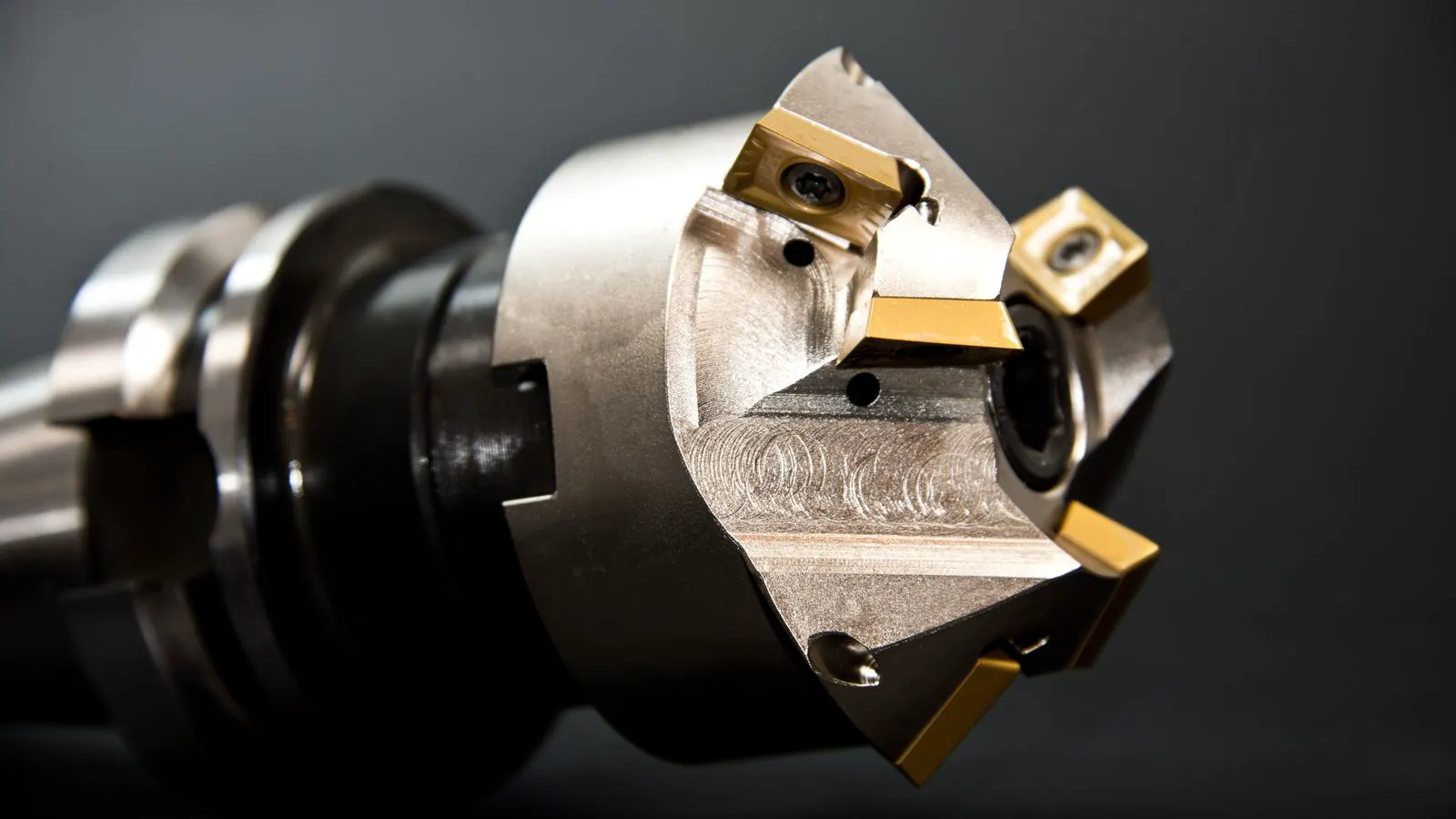
Power & Sizing
Laser Power and Head Size: How They Work Together in Cutting
Laser power determines the energy available to melt and eject material, while head size controls focus, standoff distance, and gas flow. The laser cutting process
Nov 9, 2026 · 9 min read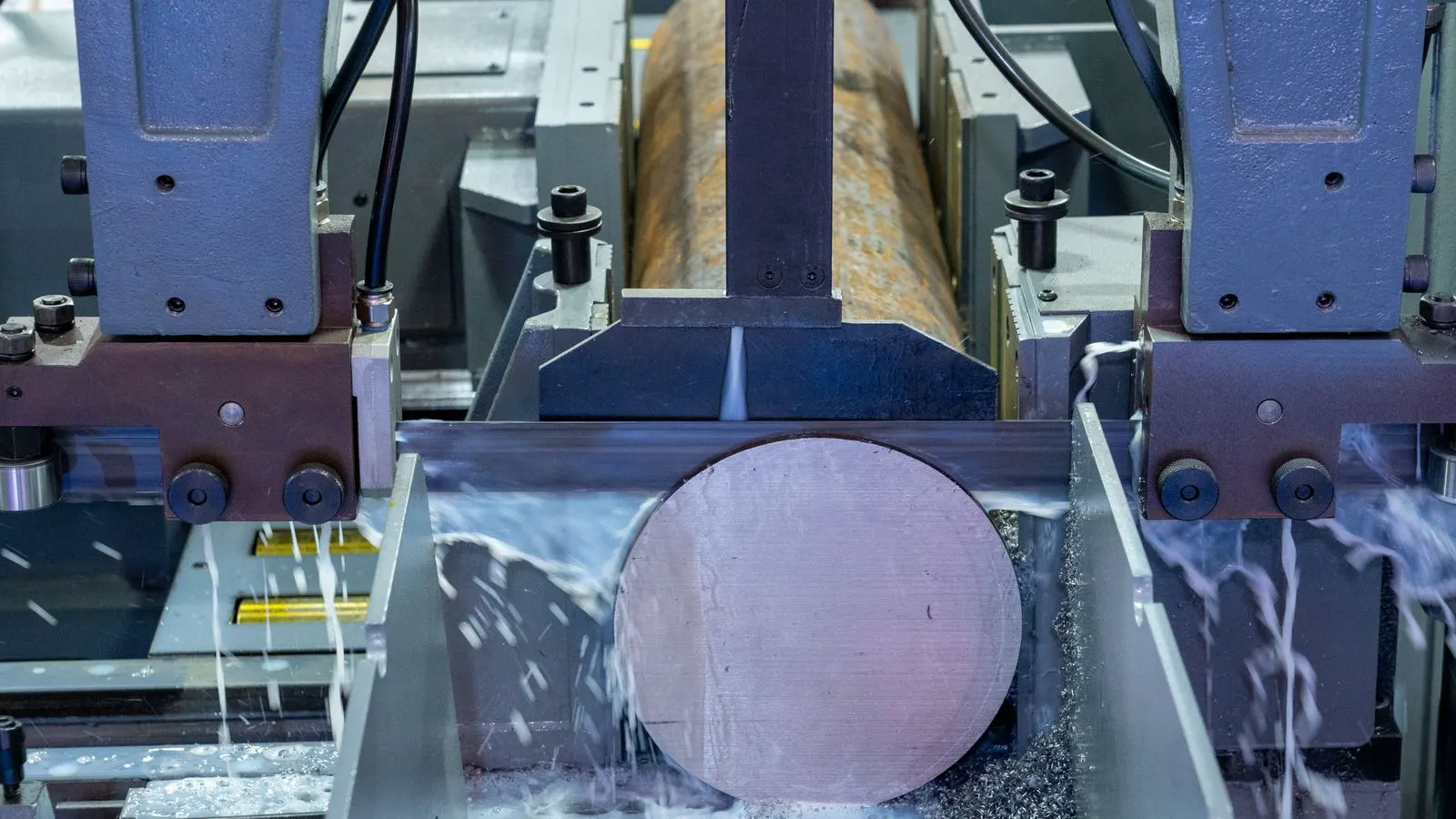
Power & Sizing
Choosing a Laser Machine: Matching Power and Head Size to Your Job
Match laser power to material thickness and speed, then select the head size for the right focal distance and kerf. Align both specifications with your production line
Oct 24, 2026 · 7 min read
Power & Sizing
How to Size Laser Power for Thick Steel and Stainless Sheets
Sizing laser power for thick steel and stainless sheets requires balancing wattage, focal length, gas pressure, and head height. Match output to material thickness and
Oct 23, 2026 · 6 min read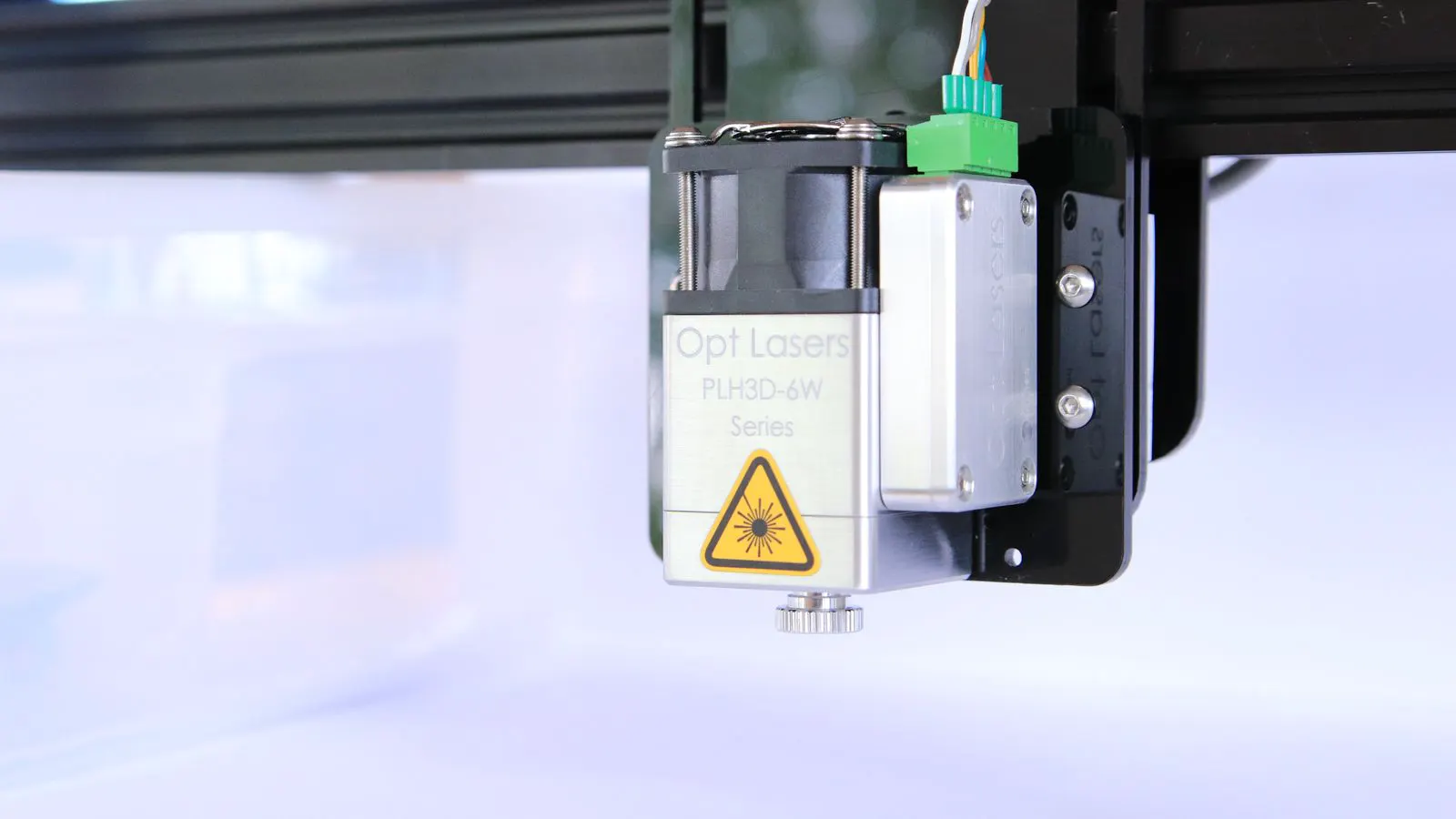
Power & Sizing
Fixing Poor Cut Quality: Diagnosing Laser Power and Head Mismatches
Poor cut quality often stems from a mismatch between laser output and head size. Identify symptoms like burrs, dross, or poor edge finish, then adjust power, speed, and
Oct 20, 2026 · 9 min read
Power & Sizing
Laser System Cost: Balancing Power Output with Total Ownership
Laser cost extends beyond the sticker price. You must weigh power output against long-term operating expenses, maintenance, and delivery time. This guide explains how to
Oct 10, 2026 · 7 min read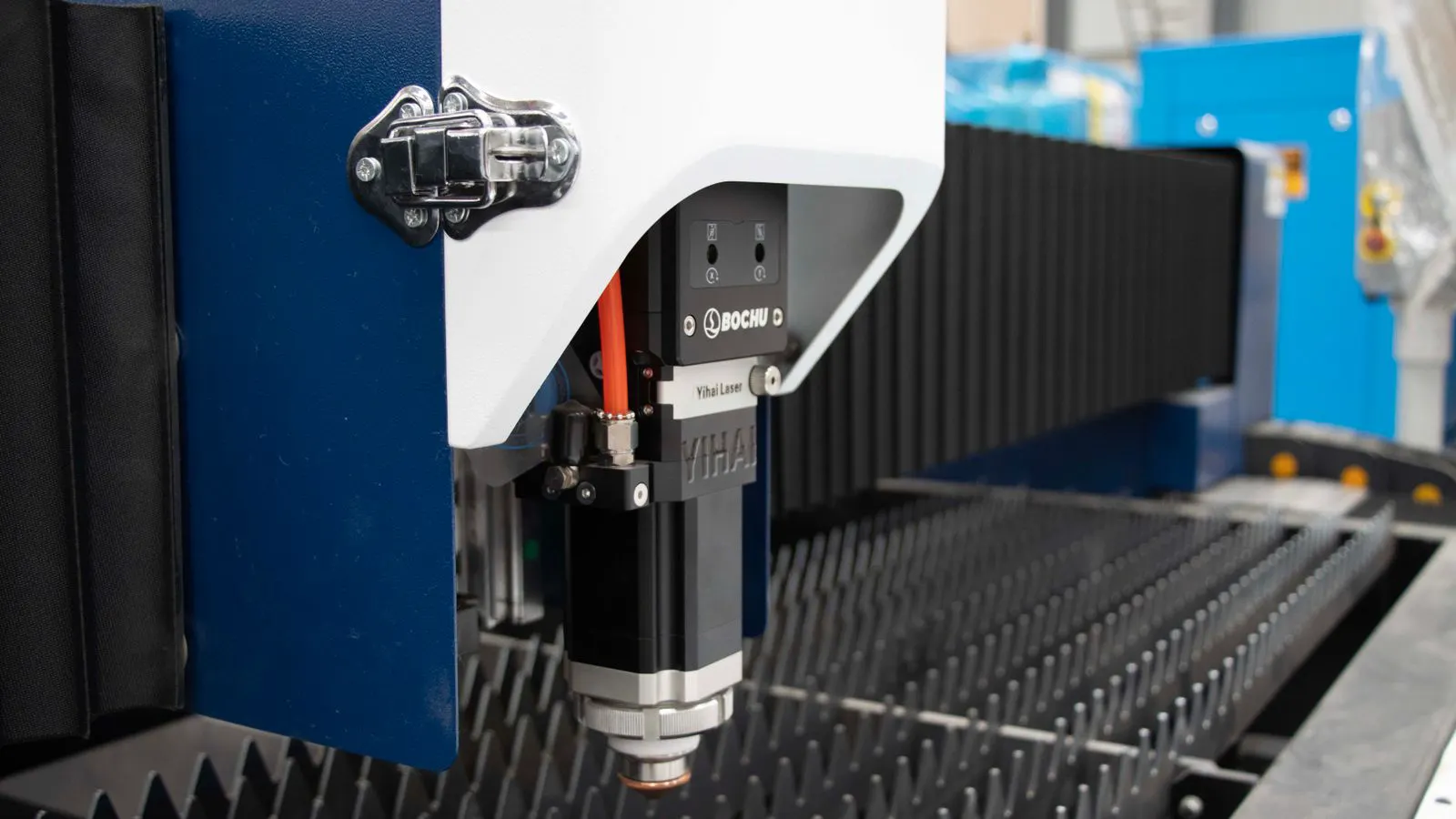
Power & Sizing
Fiber vs Diode Laser Power: Matching Output to Production Speed
Fiber laser power generally supports faster, more efficient production than diode lasers for steel and medium alloys. Diode lasers are better suited for thin non-metals
Oct 8, 2026 · 6 min read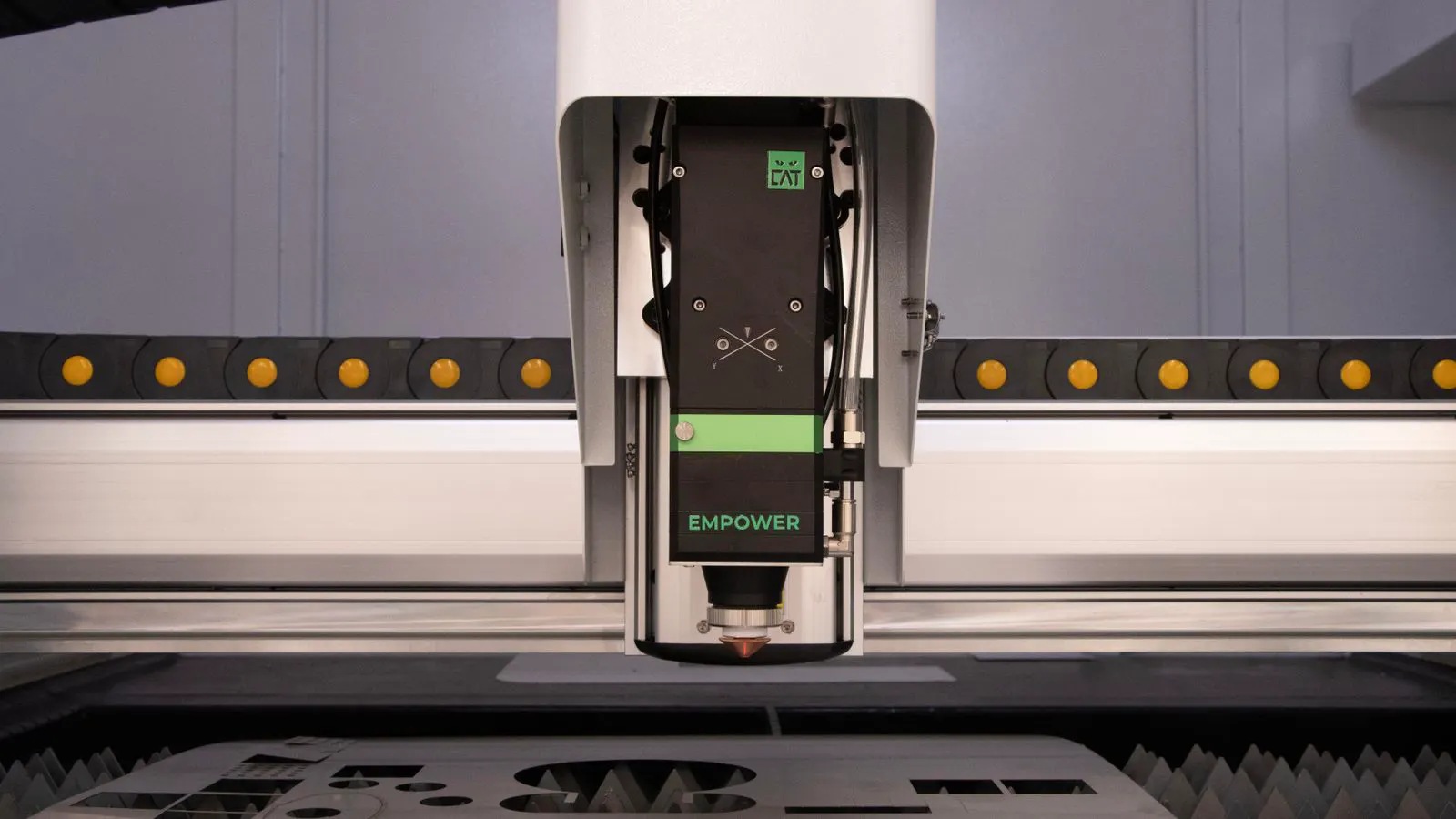
Power & Sizing
Laser Head Size Guide: Selecting the Right Nozzle for Your Material
Selecting the right nozzle requires matching the orifice diameter to the material thickness and the gas pressure. Too small a hole creates drag and uneven heat. Too
Oct 8, 2026 · 10 min read