
Safety & Standards
How to Select Laser Protective Eyewear for Operators
Selecting laser protective eyewear requires matching optical density to the laser wavelength, beam class, and expected exposure. This guide walks through the technical
Practical guidance on laser safety classifications, enclosure design, protective equipment, and compliance considerations for industrial laser
Selecting laser protective eyewear requires matching optical density to the laser wavelength, beam class, and expected exposure. This guide walks through the technical
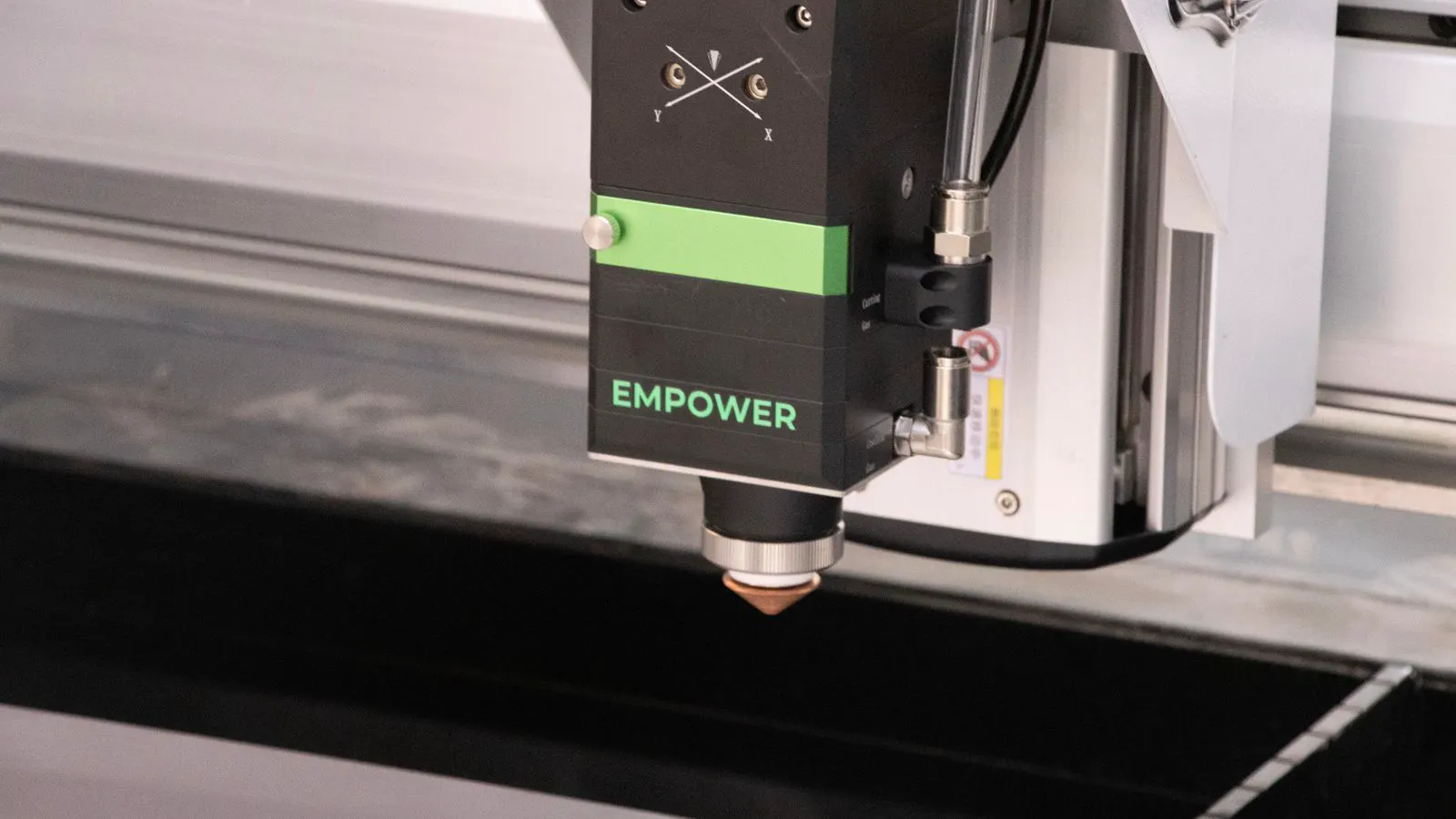
Verify laser safety checklist items including enclosure integrity, interlock function, beam path management, and operator training before commissioning a new laser
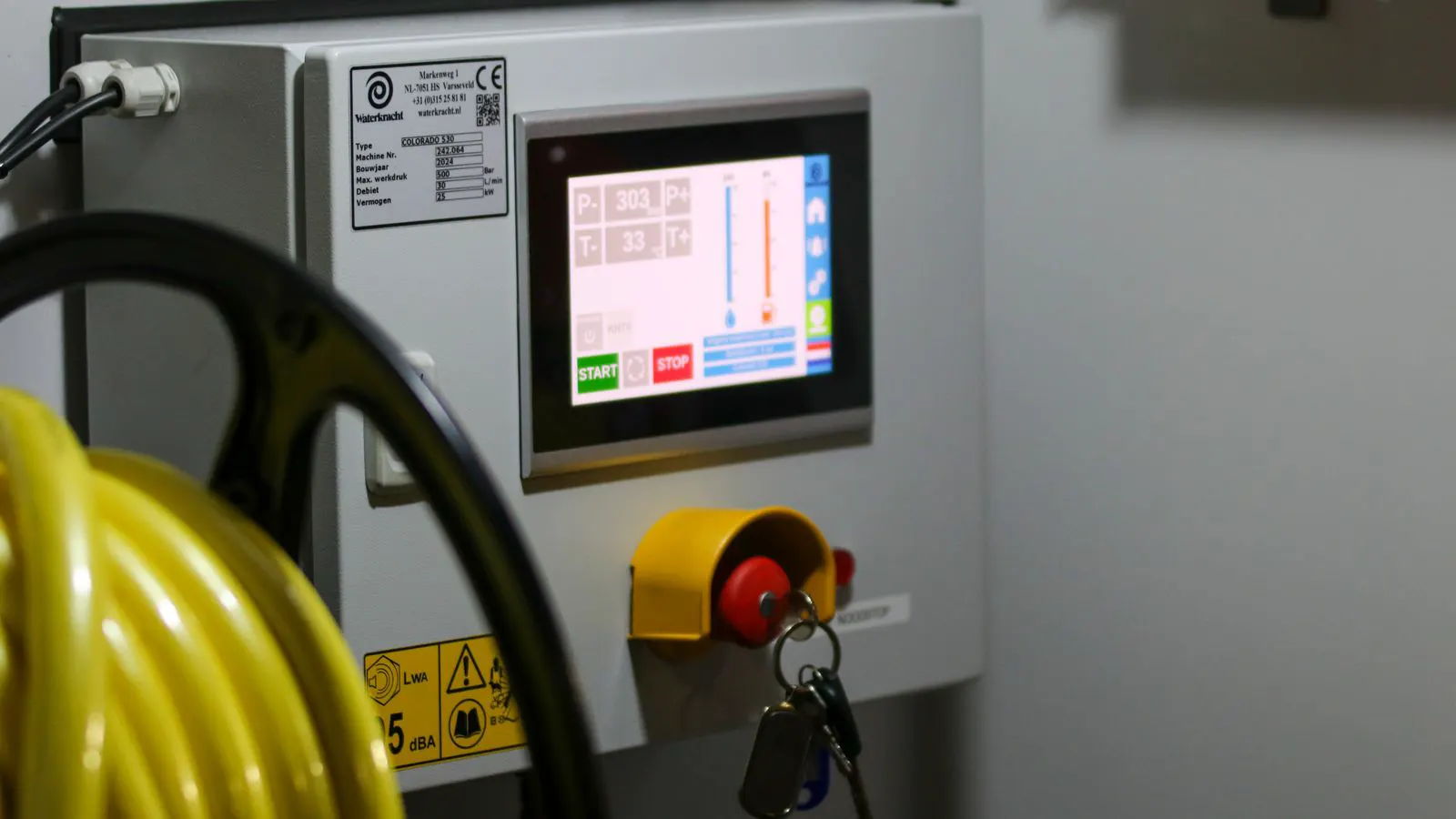
Industrial laser safety is moving from manual checks to integrated automation. Buyers should plan for sensor-based interlocks, real-time monitoring, and AI-driven risk
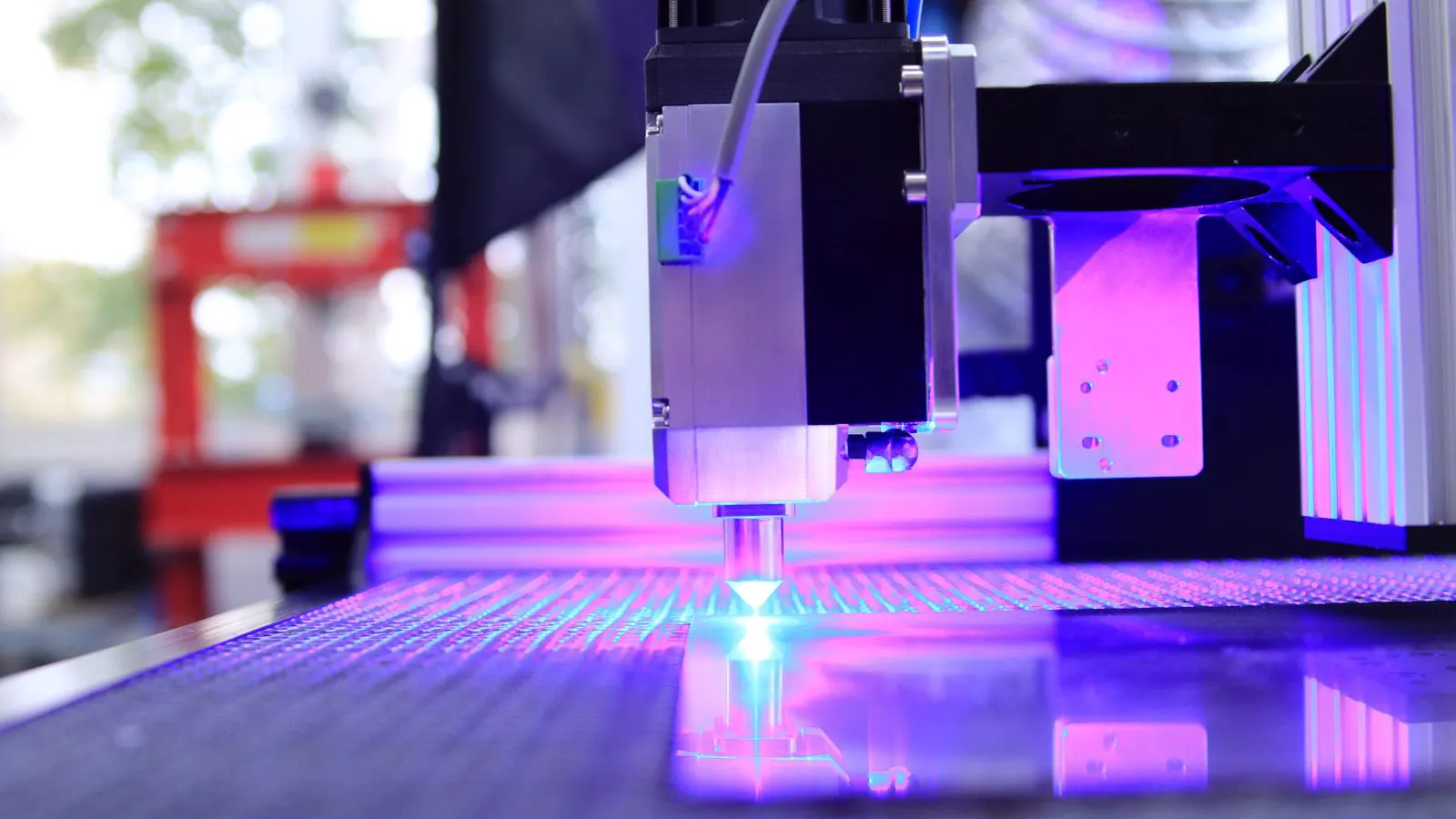
Laser safety standards define technical requirements for protection. Laser compliance means the machine meets those requirements. Laser certification is the formal
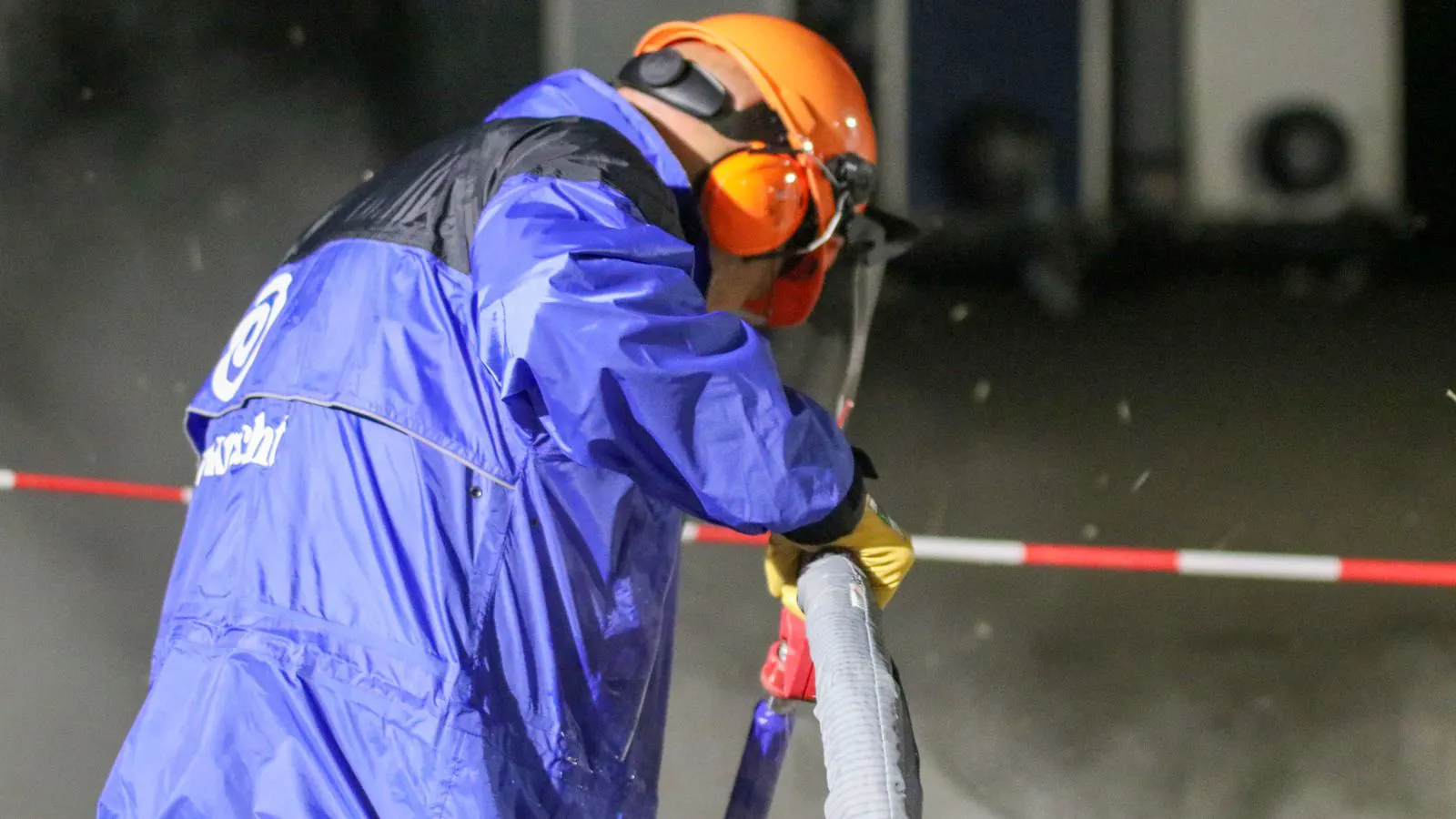
Industrial laser safety requires more than a single set of glasses. Buyers must match laser eye protection to specific wavelengths and power levels, then layer in laser
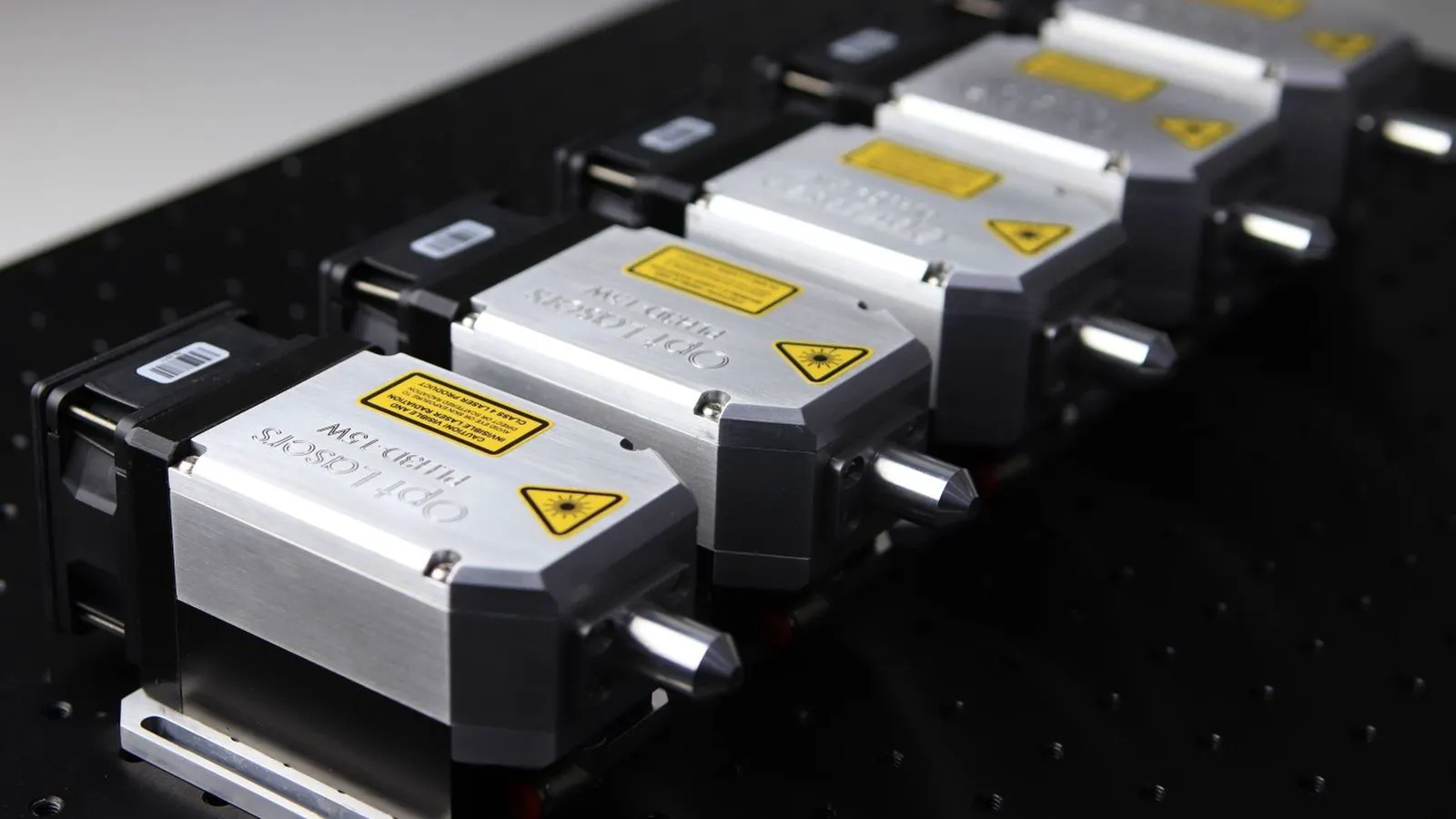
Laser enclosure costs depend on size, laser class, material, and safety features. Lead time varies from weeks to months based on customization. A clear RFQ helps buyers
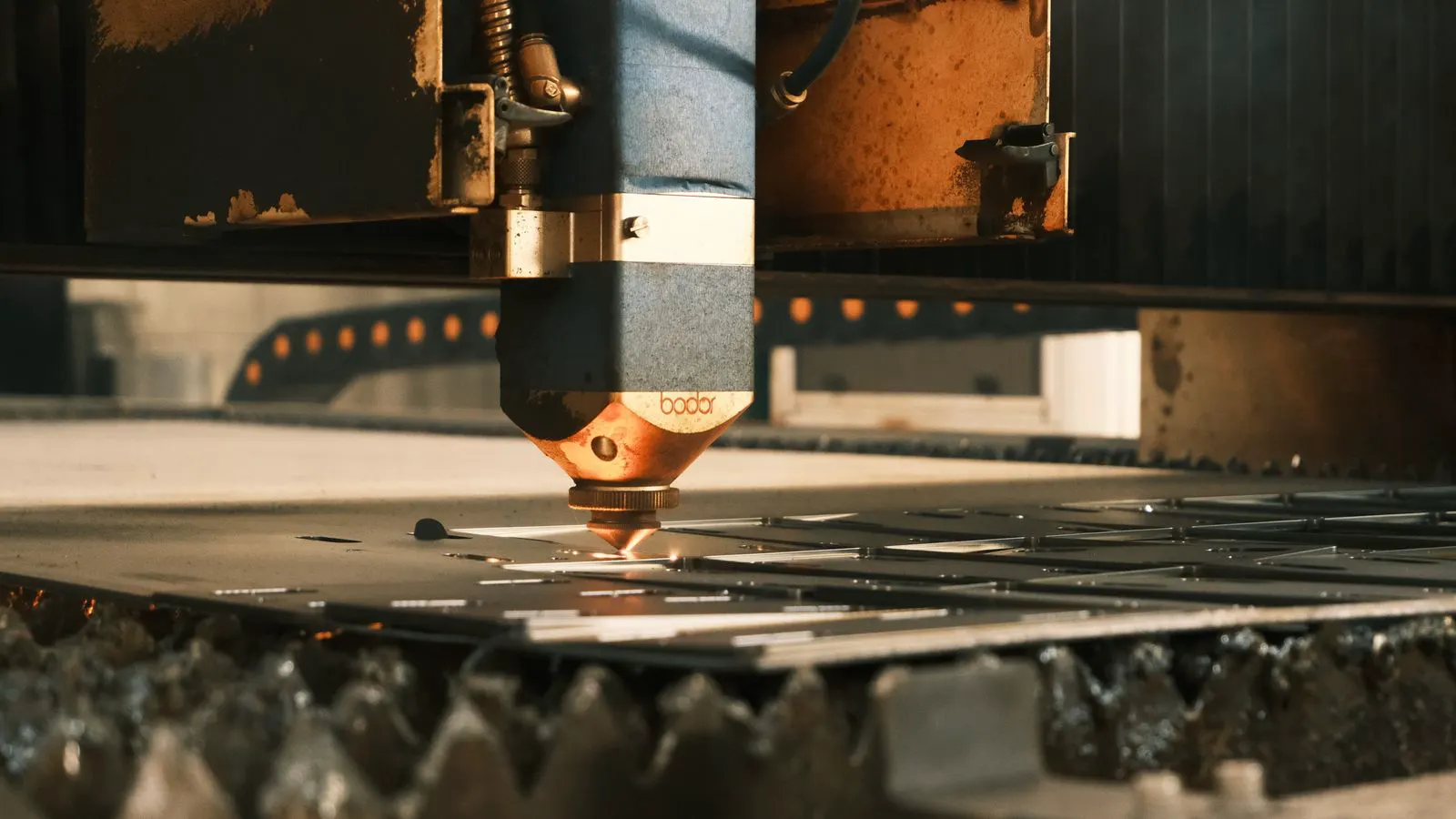
Laser safety classes define the risk level of emitted radiation. They determine the required controls, PPE, and access restrictions. Understanding these classes helps