Laser Power and Head Size: How They Work Together in Cutting
Laser power determines the energy available to melt and eject material, while head size controls focus, standoff distance, and gas flow. The laser cutting process requires balancing both to match material thickness and alloy behavior. Choosing the right combination prevents weak kerf, dross, and slow cycle times.
- Laser power sets the thermal energy available for melting, vaporizing, and removing material.
- Head size controls beam focus, standoff distance, and cutting gas dynamics.
- The laser cutting process depends on matching energy input to head geometry for each material.
- Thin sheets need tight focus and low power. Thicker sheets need more energy and a larger effective working zone.
- Misalignment between power and head size causes poor kerf, dross, and variable cycle times.
What is the technical relationship between laser energy and head geometry
The laser cutting process is a thermal event. The beam transfers energy to the workpiece. The head shapes how that energy reaches the surface. Power sets the amount of heat. Head size sets the shape and direction of the beam. Together they define the cutting physics.
A high power setting with a small head can overheat the surface. The material may melt faster than the cutting gas can remove the molten layer. The result is a darkened surface, dross, and a rough kerf. A low power setting with a large head spreads the energy too thin. The beam does not reach a sufficient depth. The cut stalls. The machine must retrace the path.
The relationship is not linear. Doubling power does not double cut speed. The head geometry changes how much energy remains in the beam as it passes through the lens and nozzle. Standoff distance matters. The distance between the nozzle and the material changes the beam diameter. A larger beam diameter lowers the power density. A smaller diameter raises it. The material interaction depends on that density.
In practice, the laser cutting process is a balance between energy delivery and heat removal. The operator chooses power to match material thickness. The head size and standoff distance adjust the effective focus. The cutting gas flow removes molten metal. If any one of these is off, the cut quality drops.
How power affects the cutting physics
Laser power is the rate of energy delivery. In a fiber laser, this is the optical power leaving the source. In a CO2 laser, it is the power at the workpiece. The difference matters because beam losses change between systems. Fiber lasers have lower losses. CO2 systems have higher losses. The effective power at the material determines the cut.
Power controls the heat input. High power creates a deeper heat-affected zone. The material melts faster. The cutting gas can remove the molten layer more aggressively. This works well for thicker sheets. Low power creates a shallow zone. The material may not melt through. The cut becomes shallow or incomplete.
For thin sheets, too much power is a problem. The heat spreads into the surrounding area. The edge can melt and re-solidify. The kerf widens. The material can warp. For thick sheets, too little power is a problem. The beam does not penetrate. The machine slows down. The cycle time rises.
The cutting physics depends on the material. Steel, stainless, aluminum, and copper behave differently. Steel absorbs laser energy well. Stainless reflects more and conducts heat differently. Aluminum conducts heat rapidly. Copper reflects a large portion of the beam. The material interaction changes the required power. The same power setting that works on mild steel may fail on stainless.
How head size affects the beam and the cut
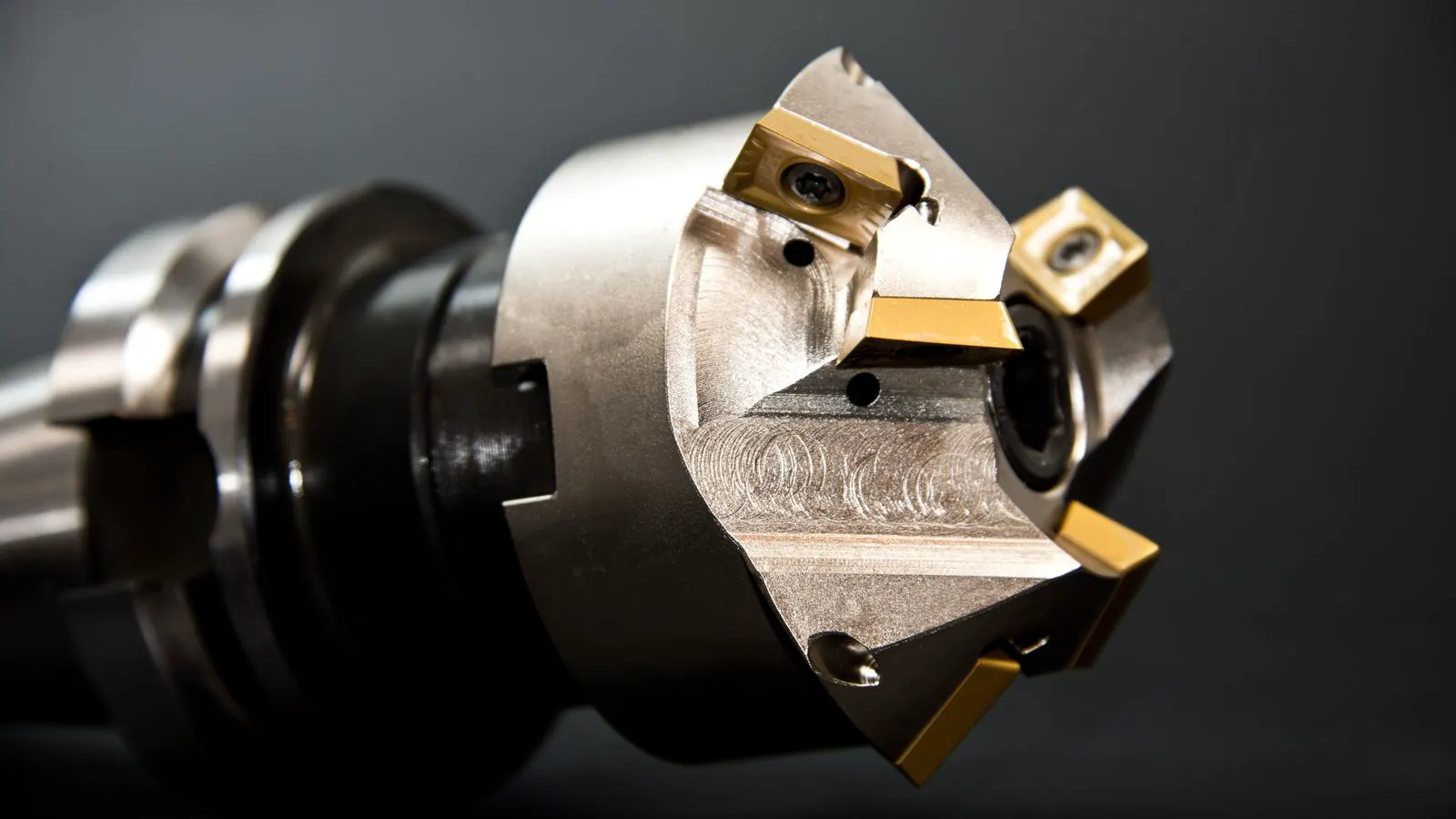
The laser head includes the lens, nozzle, and gas delivery system. The head size refers to the nozzle diameter and the overall working envelope. A small head provides a tighter beam. A large head allows a larger beam. The beam diameter at the material changes the power density.
Power density is power divided by area. A small beam with high power creates a high density. The material melts in a narrow zone. The cut is precise. A large beam with the same power creates a low density. The heat spreads. The material may not melt through. The cut is weak.
Head size also affects standoff distance. The distance between the nozzle and the material changes the effective beam size. A smaller standoff distance concentrates the beam. A larger standoff distance spreads it. For thin material, a small standoff is common. For thick material, a larger standoff may be needed. The head must allow the correct standoff.
The cutting gas flow is part of the head. The nozzle size controls the gas velocity. A small nozzle with high gas flow creates a fast jet. This removes molten material. A large nozzle with low gas flow creates a slow jet. The molten metal may remain in the kerf. Dross forms. The edge becomes uneven.
The head also affects the focus. The lens focuses the beam. The head geometry determines where the focus point is located. If the focus is too close to the material, the beam may be too narrow. The cut can be inconsistent. If the focus is too far, the beam may be too wide. The cut can be slow. The head size and lens choice must match the material.
How material interaction changes the required balance
The laser cutting process changes with the material. Each alloy absorbs and conducts heat differently. The material interaction determines the power and head settings. Mild steel is easier to cut than stainless. Stainless is harder to cut than aluminum. Copper is the hardest of the common sheet metals.
Mild steel absorbs laser energy well. The heat stays near the surface. The cutting gas removes the molten layer. A moderate power setting works. The head size can be smaller. The standoff distance can be short. The cut is clean.
Stainless steel reflects more laser energy. The heat conducts away from the cut zone. The beam needs more power to maintain temperature. The head may need a larger nozzle to allow more gas flow. The standoff distance may need to increase. The cut is more sensitive to power changes.
Aluminum conducts heat rapidly. The heat spreads into the surrounding material. The laser must deliver energy faster than the metal conducts it away. The power must be higher. The head must allow a tight focus. The standoff distance is short. The cut is shallow and narrow.
Copper reflects a large portion of the laser beam. The material interaction is difficult. The laser must deliver high power to overcome reflection. The head must allow a strong beam. The cutting gas must remove the heat. The cut is slow. The power setting must be high. The head size must support the beam.
How to size power and head size for a job
Sizing for the laser cutting process starts with the material. Identify the alloy and thickness. Check the material interaction. Choose a power setting that matches the thickness. Choose a head size that supports the beam. Set the standoff distance. Adjust the gas flow.
For thin sheets, start with low power. Use a small head. Set a short standoff distance. Use a moderate gas flow. Check the kerf. If the cut is shallow, increase power slightly. If the cut is rough, reduce power. If the edge is drossy, increase gas flow.
For thick sheets, start with high power. Use a larger head. Set a longer standoff distance. Use a higher gas flow. Check the kerf. If the cut is incomplete, increase power. If the kerf is wide, reduce power. If the edge is drossy, increase gas flow.
The table below shows a general relationship between material, thickness, power, and head size. The values are examples. They do not represent specific machines. They show the direction of the trade-offs.
| Material | Thickness range | Power trend | Head size trend |
|---|---|---|---|
| Mild steel | Thin | Low | Small |
| Mild steel | Thick | High | Medium |
| Stainless | Thin | Moderate | Small |
| Stainless | Thick | High | Medium |
| Aluminum | Thin | Moderate | Small |
| Copper | Thin | High | Small |
| Copper | Thick | Very high | Medium |
The table shows that power and head size move in the same direction. Thicker material needs more power and a larger head. Thinner material needs less power and a smaller head. The material type changes the starting point. Copper needs more power than steel. Aluminum needs a tighter focus than steel.
A worked example in plain words
Imagine a shop cutting 3 mm mild steel. The operator sets the power to a medium level. The head is a standard fiber head with a small nozzle. The standoff distance is set to the minimum. The gas flow is moderate. The machine cuts a test line. The kerf is narrow. The edge is smooth. The cut is clean.
Now the same operator tries to cut 6 mm mild steel with the same settings. The power is too low. The beam does not reach the bottom. The cut stops halfway. The operator increases the power. The cut goes through. But the kerf is wider. The edge is rough. The operator increases the gas flow. The edge improves. The operator switches to a head with a larger nozzle. The standoff distance increases. The cut becomes clean.
The same example works for stainless steel. The operator starts with the same power as for mild steel. The cut is weak. The beam does not maintain temperature. The operator increases the power. The cut goes through. But the heat-affected zone is wider. The operator reduces the power slightly. The edge is smoother. The operator increases the gas flow. The dross is reduced. The cut is clean.
The example shows how the laser cutting process depends on both power and head size. Changing one without the other creates a mismatch. The material interaction changes the balance. The operator must adjust both.
How mismatches affect cut quality and cycle time
A mismatch between laser power and head size causes poor cut quality. The kerf becomes uneven. The edge becomes rough. Dross forms. The material warps. The cycle time rises. The machine may need to retrace the path. The production line slows.
A common mistake is to increase power without changing the head. The beam becomes too intense. The surface melts. The gas cannot remove the molten layer. The cut is drossy. The operator reduces power. The cut becomes shallow. The operator increases the gas flow. The cut improves. But the cycle time is still high.
Another mistake is to use a large head with low power. The beam is too wide. The power density is low. The material does not melt. The cut stalls. The operator increases the power. The beam becomes too intense. The surface melts. The cut is drossy. The operator switches to a smaller head. The beam is tighter. The cut is clean.
The cutting physics is simple. The energy must reach the material in the right shape. The head controls the shape. The power controls the amount. The material interaction changes the target. The laser cutting process is a balance. If the balance is off, the cut is poor.
How to check the balance on the shop floor
Check the cut quality. Look at the kerf. Is it narrow? Is the edge smooth? Is there dross? Check the top and bottom. The top should be smooth. The bottom should be clean. If the top is dark, reduce power. If the bottom is drossy, increase gas flow. If the cut is shallow, increase power.
Check the cycle time. Is the machine cutting at the expected speed? If the speed is slow, the power may be too low. If the speed is fast but the cut is poor, the power may be too high. If the cut is clean but slow, the head size may be too small. If the cut is clean and fast, the balance is good.
Check the material. Is the alloy consistent? Are the sheets the same thickness? Are the surfaces clean? A dirty surface changes the material interaction. The laser may not focus. The cut may be uneven. Clean the surface. Check the material. Adjust the settings.
The laser cutting process is a set of interactions. Power, head size, standoff distance, gas flow, and material all affect the cut. The operator must check the balance. The shop must test the cut. The settings must match the job.
Frequently asked questions
What is the primary role of laser power in the laser cutting process?
Laser power determines the thermal energy available to melt and remove material. It sets the depth of the heat-affected zone and the speed of the cut.
How does head size affect the cut?
Head size controls the beam focus, standoff distance, and gas flow. A smaller head concentrates the beam. A larger head spreads it. The cut quality changes with the head size.
Can I use the same power for different materials?
No. The material interaction changes the required power. Stainless, aluminum, and copper need different settings than mild steel. The head size may also need to change.
What happens if the power is too high for a thin sheet?
The material melts faster than the gas can remove it. The kerf widens. The edge becomes rough. Dross forms. The cut is poor.
What happens if the power is too low for a thick sheet?
The beam does not reach the bottom. The cut stalls. The machine must retrace the path. The cycle time rises. The cut is incomplete.