Cost & ROI
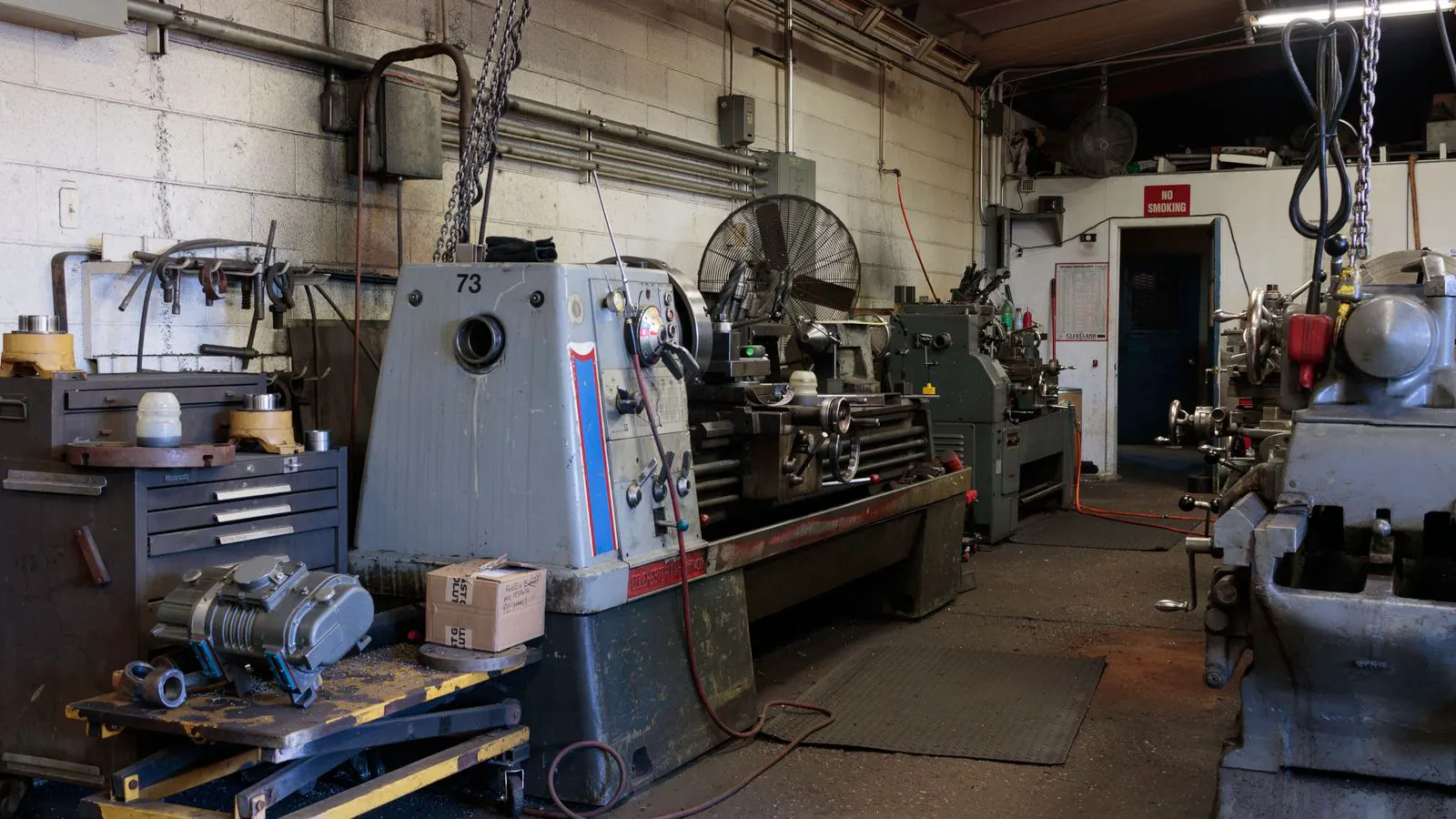
Laser Maintenance Cost: Annual Budgeting for Industrial Cutters
Annual laser maintenance cost covers consumables, labor, and downtime risks. Budgeting requires separating routine checks from major service. Total cost of ownership
Practical laser selection, sizing, and supplier evaluation for industrial buyers.
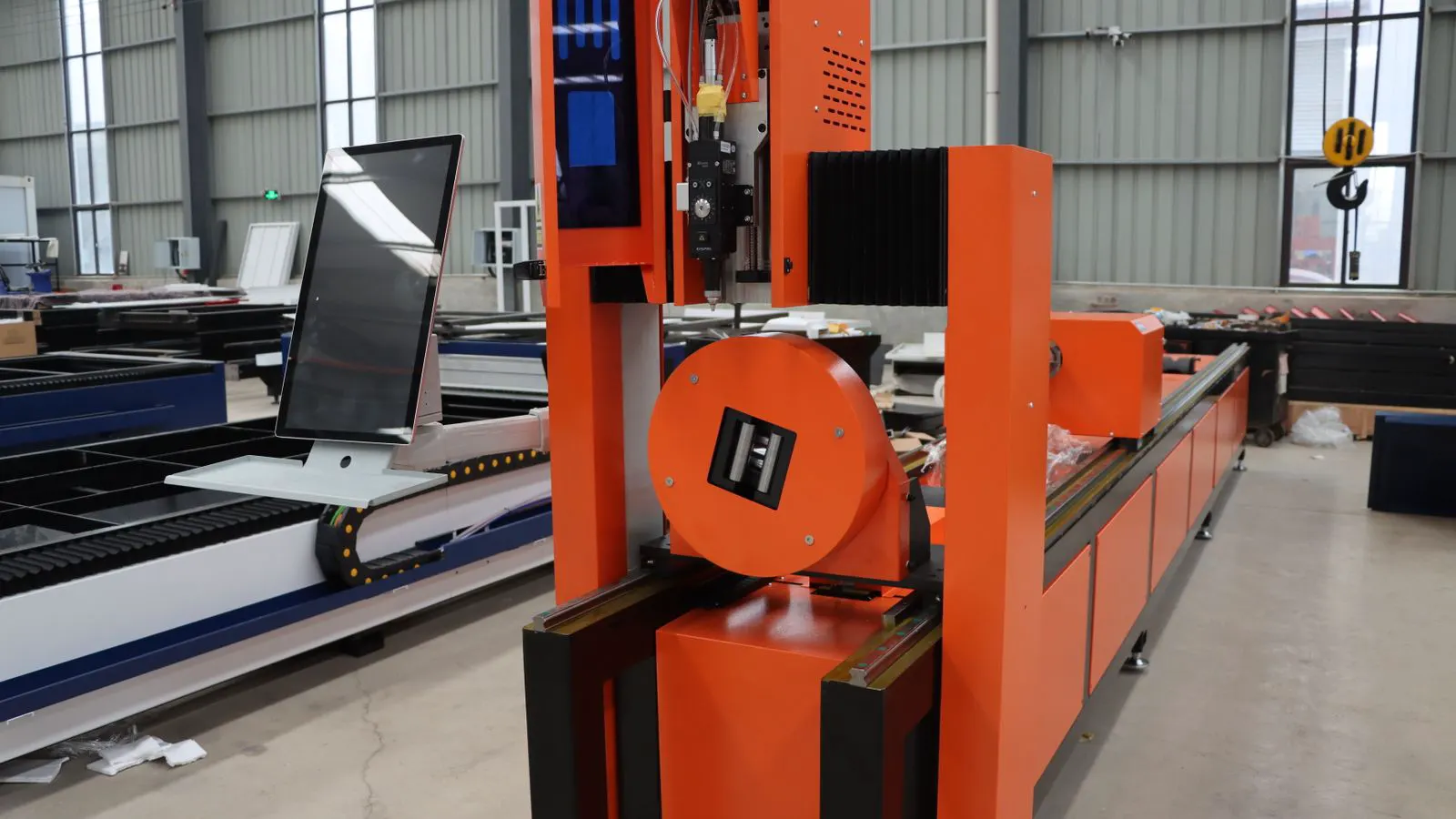
Buying an industrial laser is a decision that balances laser type, power class, material targets, and long-term maintenance. This site breaks down the technical factors behind that decision. You will find clear comparisons of fiber cutting, CO2 engraving, and welding systems, plus the safety and cost checks that determine whether a machine fits your production line.
The content focuses on what buyers actually evaluate. It covers fiber laser cutting parameters, CO2 beam quality, welder power output, and marking head options. It also explains how to read datasheets, verify compliance documents, and structure a supplier evaluation. The goal is to reduce guesswork and support a defensible purchase decision.
Start with the stage of the sourcing process you are in.
Practical guidance on laser safety classifications, enclosure design, protective equipment, and compliance considerations for industrial
Help for buyers to evaluate total cost of ownership, payback periods, maintenance budgets, and production economics across different laser
Annual laser maintenance cost covers consumables, labor, and downtime risks. Budgeting requires separating routine checks from major service. Total cost of ownership
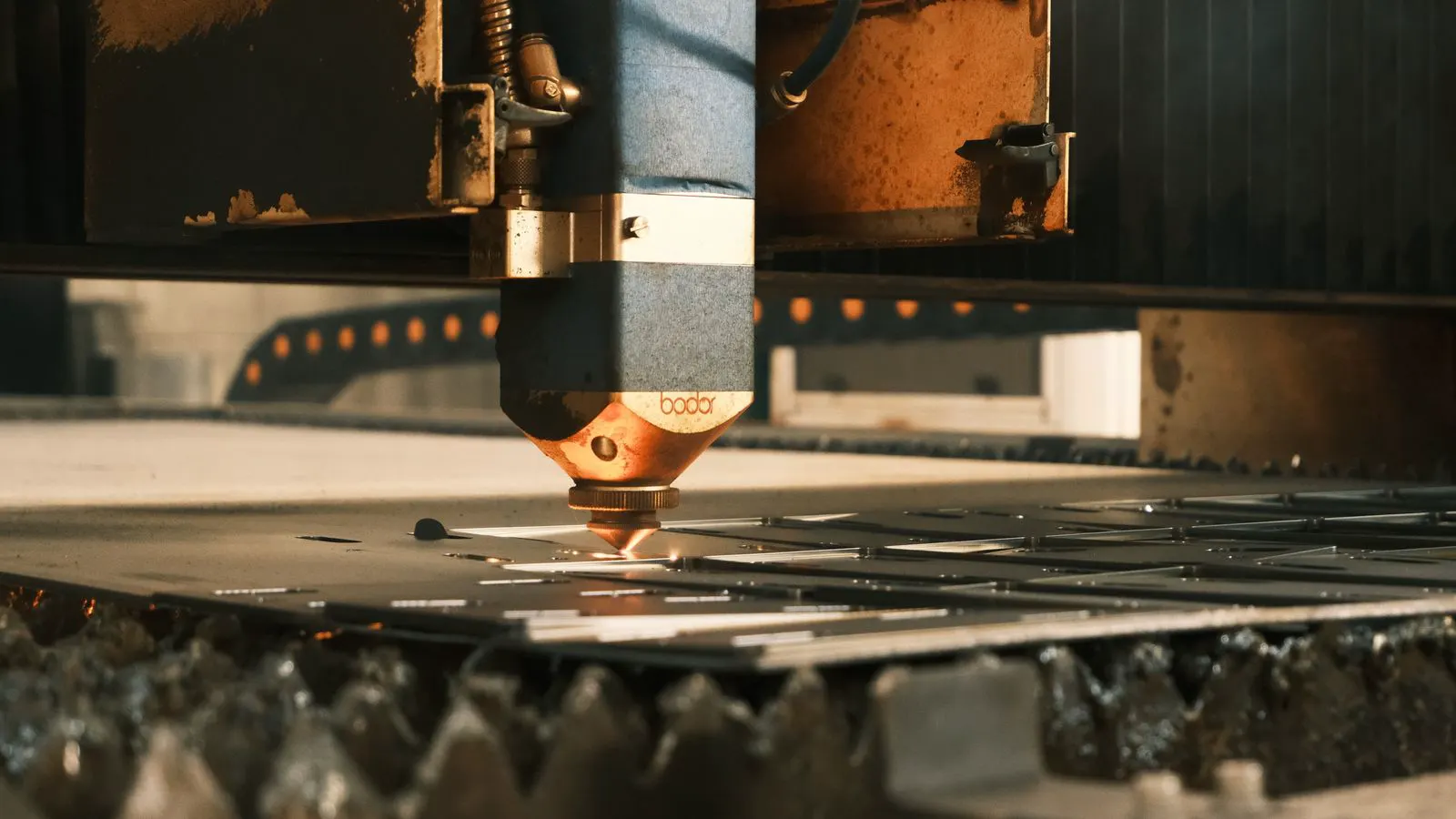
Laser safety classes define the risk level of emitted radiation. They determine the required controls, PPE, and access restrictions. Understanding these classes helps
Fiber lasers use a diode source and are typically more efficient for metal cutting. CO2 lasers use a gas tube and are better suited for non-metals like acrylic or wood. The choice depends on the material, thickness, and required speed.
Match the power to the material thickness and cut quality you need. Higher power increases speed and allows thicker sections. It also raises capital and maintenance costs. Review the manufacturer's cutting speed tables for your specific material.
Machines must meet applicable regional laser safety standards. Key checks include the enclosure interlocks, beam path, and the machine's safety classification. Review the compliance documentation and the operator manual before installation.
Ask for the beam quality, control software, head options, and service terms. Confirm the warranty coverage for the laser source and optics. Request references from buyers using similar materials and production volumes.
Marking uses a focused beam to etch or ablate a surface for identification. Welding uses higher power and a larger beam to join materials. The hardware, focus system, and process parameters differ significantly between the two.
Standard configurations often ship within a few weeks. Custom enclosures, control systems, or specialized heads can extend the timeline. Confirm the lead time in writing, as it depends on the supplier's stock and the machine's complexity.