Laser Safety Standards: Compliance vs Certification
Laser safety standards define technical requirements for protection. Laser compliance means the machine meets those requirements. Laser certification is the formal documentation proving that claim. Knowing the difference prevents costly delays and ensures the right level of regulatory proof for your facility.
- Standards set the technical rules; certification is the official proof of meeting them.
- A machine can be compliant with local standards without holding a formal certificate.
- Certification documents are required for many insurance and procurement audits.
- Verify what type of proof your customer or insurer actually requires before purchase.
- Misunderstanding these terms creates risk in tender documents and site acceptance.
What separates a standard from a certificate
Laser safety standards are written rules. They describe what a machine must do to protect people. They cover beam containment, interlock response times, eye protection levels, and operator access controls. A standard is a static document. It sets the requirements for design and operation. It does not change based on who is reading it.
Laser compliance is a state of being. It means the machine actually meets those written rules. If a machine follows the required interlock logic and enclosure design, it is compliant, even if no official body has stamped a document. Compliance is a property of the physical system. You can verify it by looking at the wiring, checking the door switches, and measuring the enclosure integrity.
Laser certification is the paper trail. A third party or the manufacturer verifies the machine against the standard and issues a document. That document exists to prove compliance to insurers, regulators, and customers. It is a record of a specific point in time.
The confusion starts because people use these three terms interchangeably. They are not the same thing. A machine can be compliant without certification. It can have a certificate that covers only a specific model or a specific country. It can even have a certificate that expires.
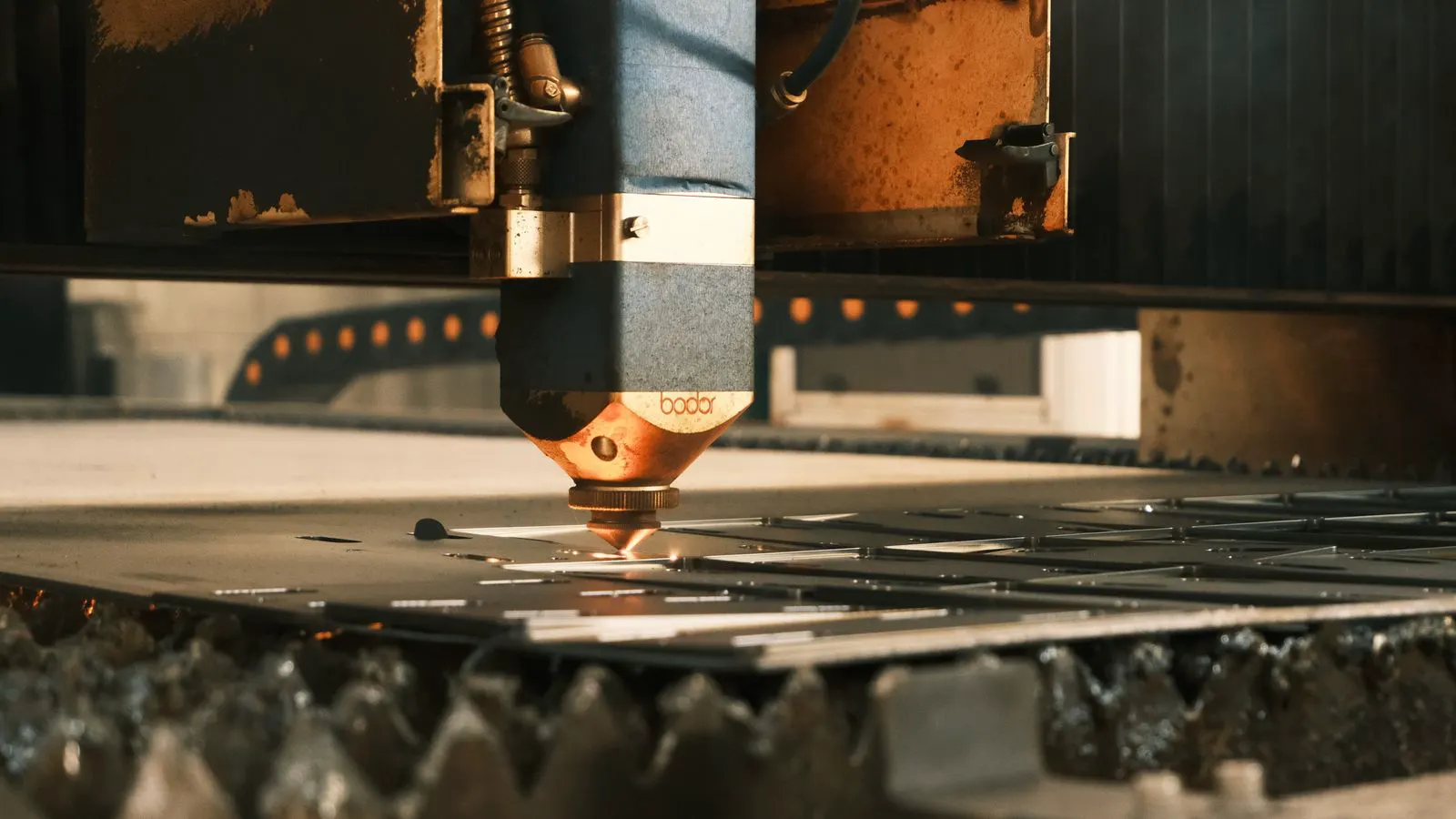
Consider a basic sheet metal laser cutter. The manufacturer has designed the enclosure to stop the beam if the service door opens. The interlocks are wired in series with the high-voltage supply. The machine meets the standard. It is compliant. If no independent body has inspected it, it is not certified. If a body has inspected it and issued a letter confirming the findings, it is certified. The physical machine is identical in both cases, but the legal and commercial weight of the documents differs.
Why the distinction matters for buyers
When you buy a laser system, you need the right level of proof. A small shop might only need the machine to be compliant with local regulations. A large contract manufacturer might need a certificate for insurance purposes. An exporter might need a specific certificate for a particular market.
If you ask for a “certification” but only need “compliance,” you may pay for a service you do not need. If you only require “compliance” but your insurer demands a “certificate,” you will face delays when the machine arrives at your site.
The cost difference is usually modest. The time difference can be weeks or months. The risk difference is significant. A missing document can stop a project. A missing interlock can cause injury.
Imagine a procurement team in a mid-sized city. They need a laser for internal maintenance work. They request a “certified” machine. The supplier quotes a price that includes third-party inspection and testing. The buyer accepts. The machine arrives, but the project is a one-off internal task. The buyer paid for a level of proof they never intended to use. Conversely, a large job site with strict liability insurance requires a third-party certificate. The buyer accepts a self-declaration from the manufacturer because the supplier claims the machine is “standard compliant.” The insurance carrier rejects the machine. The project stalls while the buyer arranges retroactive testing.
How standards define protection levels
Standards define the limits. They specify what constitutes a safe enclosure. They set the maximum power levels for open beam work. They require specific warning labels and interlock types.
For industrial systems, the focus is usually on preventing exposure. The machine must stop the beam if a door opens. It must not allow access to the beam path without power being cut or the beam being diverted.
Standards also cover maintenance. They define how to lock out energy before opening the enclosure. They require specific procedures for service mode.
The standard is the blueprint. It does not care who built the machine. It applies to all. If the machine meets the blueprint, it is compliant.
Look at the interlock logic. A standard may require that if any safety door opens, the beam stops within a certain millisecond window. It may require that the status of the interlock is visible on the machine controller. It may require a specific type of warning label, such as a red laser warning triangle, to be affixed to every accessible surface.
Consider the enclosure. The standard defines the material thickness required to block the specific wavelength of the laser. A glass panel that blocks visible light may not block a 10.6-micron CO2 laser. The standard dictates the transmission limits. The machine builder must select materials that meet those limits. If they use the wrong glass, the machine is non-compliant, regardless of how well the rest of the system performs.
The role of third-party verification
Certification usually involves a third party. An accredited body inspects the machine. They check the interlocks. They test the enclosure. They review the documentation. They issue a certificate.
This adds an objectivity that a self-declaration cannot match. The manufacturer knows their own design. The third party verifies it independently.
The certificate will list the scope. It may cover a specific model number. It may cover a specific country or region. It will have an expiration date. It is not a blanket approval for all future changes.
If you modify the machine, the certificate may become invalid. A new enclosure or a changed beam path usually requires re-verification. Buyers often forget this. They buy a certified machine, then modify it for their specific process, and discover the original certificate no longer covers the system.
For example, a buyer adds a secondary water chiller to the laser head assembly. This changes the thermal profile and potentially the beam quality. The original certificate covered the standard cooling loop. The new configuration is not covered. The machine is still physically safe, but the paper trail is broken. If an accident occurs, the lack of valid certification can complicate legal proceedings and insurance claims.
Comparison of verification approaches
| Option | Best for | Limitations |
|---|---|---|
| Manufacturer self-declaration | Low-risk internal use | No independent proof for insurance |
| Local regulatory compliance | Small shops and local operations | May not satisfy export or insurance needs |
| Third-party certification | Contract manufacturing and export | Cost and lead time for verification |
| Full type approval | Large OEMs and multi-site deployments | Expensive and slow for single units |
When to choose each approach
Manufacturer self-declaration works for simple setups. If you are running a basic cutting cell in a controlled environment, the machine may come with a declaration of conformity. This states the manufacturer believes it meets the standard. It is not an inspection. It is a statement.
Local regulatory compliance is the baseline. Every region has its own rules. You need the machine to work legally in your country. This often requires the machine to be compliant with local electrical and laser rules. It does not require a third-party certificate unless the local law mandates one.
Third-party certification is the middle ground. It is common for contract manufacturers. It provides the proof needed for liability insurance. It gives customers confidence. It is the most common requirement for B2B sales in industrial sectors.
Full type approval is for high-volume production. An OEM might get a type approval for a whole series of machines. This saves money per unit. It is overkill for a single custom machine.
Consider a regional machine builder. They sell machines to several small fabrication shops. They use self-declaration. The customers are happy because the price is lower and the lead time is shorter. Now consider an international distributor. They sell the same machine to large automotive suppliers. Those suppliers require third-party certification to meet their own corporate safety policies. The distributor must arrange this certification, which increases the unit cost and extends the sales cycle.
Practical checks for your procurement process
- Ask for the specific standard number and version. Do not accept “compliant with safety rules.” You need the exact document.
- Request the scope of any certificate. Confirm it covers your model and region.
- Check the expiration date. A certificate from three years ago may be obsolete.
- Verify if modifications require re-certification. If you plan to change the enclosure, confirm the process.
- Ask your insurer what they require. Some accept self-declarations. Others demand third-party certificates.
Before issuing a purchase order, send these questions to the supplier in writing. Do not rely on verbal assurances. The supplier’s sales team may use loose language. The engineering team holds the actual documents. If the supplier cannot provide the standard number immediately, it may be a sign that the machine has not been fully documented.
Also, check the date of the standard version. Standards are updated. A machine certified against a version from five years ago may still be safe, but it might not meet the current requirements for emergency stop circuits or software updates. Confirm that the standard version matches the current legal requirement in your jurisdiction.
Common mistakes in specification
Buyers often write “certified” in their tender documents. This is too vague. A certificate for a different standard is still a certificate. A certificate for a different country is still a certificate.
Specify the standard. Specify the region. Specify the scope. If you need a specific type of verification, name it.
Another mistake is assuming compliance means safety. A machine can be compliant with the standard and still be used unsafely. Interlocks can be bypassed. Enclosures can be left open. Standards set the floor. They do not enforce behavior.
Training and procedures are separate from machine compliance. A compliant machine operated by an untrained operator is a liability. The standard covers the machine. The operator manual covers the behavior.
For instance, a machine may have a perfect interlock system. However, if an operator uses a metal clip to hold the service door open to save time during a long cut, the safety system is defeated. The machine is compliant. The operation is unsafe. The standard does not prevent human error. It only defines the machine’s safety features.
Documentation you should keep
Keep the compliance declaration. Keep the certification document. Keep the test reports if provided. Keep the interlock test records.
These documents should be stored with the machine. They should be accessible during inspections. They should be reviewed when the machine is moved or modified.
A clean file proves the machine is safe. A messy file suggests neglect. In a dispute, the file decides the outcome.
Create a dedicated safety folder for each laser system. Put the original compliance declaration, the certificate, and any test reports in this folder. Keep a copy on the machine’s local network if the machine has a digital interface.
If you modify the machine, update the file. Add the new test reports. Add the modified drawings. Do not discard the original documents. They are part of the history. If the machine is sold in the future, the buyer will ask for the complete history. A complete file makes the resale process smoother and protects you from liability.
Final thoughts on verification
Laser safety standards are the rules. Laser compliance is the state of meeting them. Laser certification is the proof of that state.
Do not mix these terms in your purchase specifications. Ask for what you need. If you need proof, ask for a certificate. If you need legal operation, ask for compliance. If you need insurance, ask for what the insurer requires.
Clarity in these terms saves money and avoids risk. It ensures the machine arrives ready for use. It ensures the documentation matches the reality. It protects the operator and the business.
When you finalize your specification, review it against your actual risk profile. Are you exposing your staff to the beam? Are you manufacturing for third parties? Do you have a specific insurance policy? Let the answers guide your documentation requirements. Do not over-specify. Do not under-specify. Match the paper trail to the physical risk.
Frequently asked questions
Can a machine be compliant without a certificate?
Yes. Compliance means the machine meets the technical requirements of the standard. A certificate is only required if a specific law, insurer, or customer demands formal third-party verification.
Does a certificate cover all modifications?
No. A certificate usually covers a specific model and configuration. If you change the enclosure, beam path, or interlock system, the original certificate may no longer be valid.
What is the difference between a declaration of conformity and a certificate?
A declaration is a document signed by the manufacturer stating the machine meets the standard. A certificate is usually issued by a third-party body after inspection and testing.
Do I need certification for a small shop?
Usually not, unless local laws or your insurance policy require it. Most small shops need to ensure the machine is compliant with local regulations and that operators are trained.
How long does third-party certification take?
Lead times vary by provider and region. It can range from a few weeks to several months. It is best to start this process early in the procurement timeline.