Future of CO2 Engraving Lasers in the Wood Industry
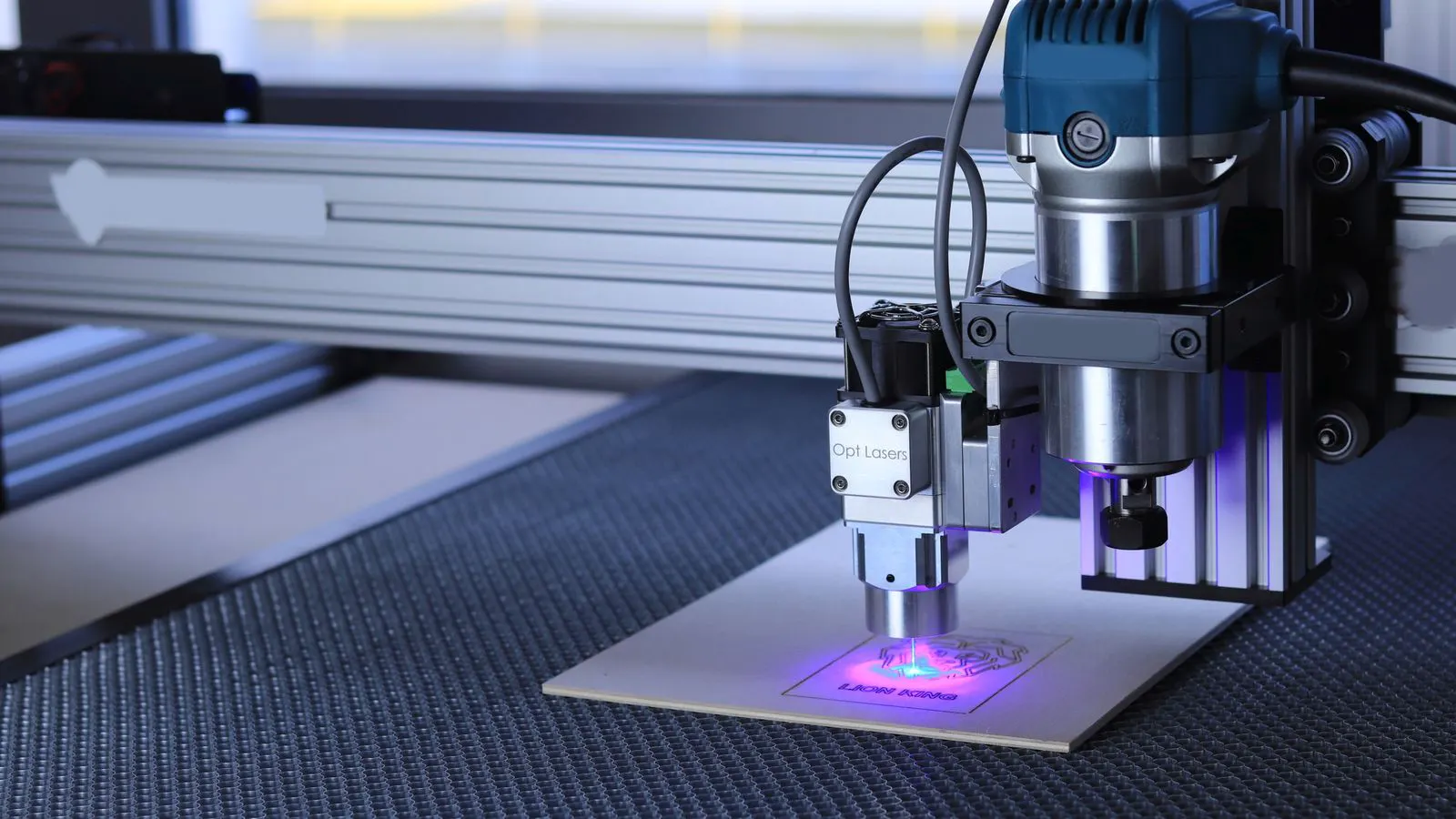
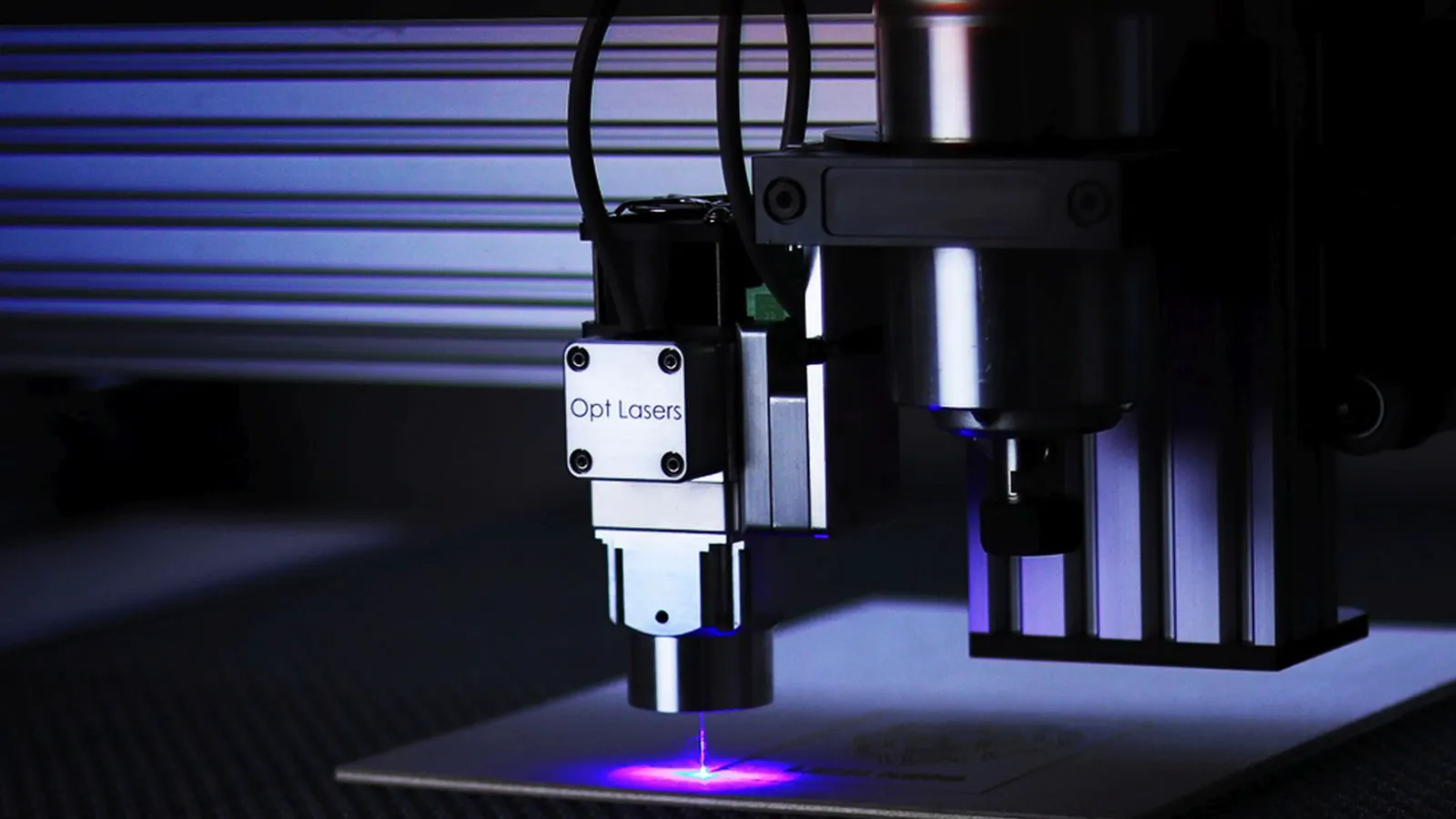
CO2 engraving laser technology is moving toward higher precision, integrated automation, and cleaner operation. Wood buyers should plan for tighter tolerances, better dust handling, and software that connects directly to production lines.
- Buyers should prioritize engraving accuracy and repeatability over raw speed when selecting a CO2 machine.
- Dust extraction and beam alignment require regular maintenance to prevent quality drift.
- Software integration with production lines is becoming the main driver of machine value.
- Material thickness and type will dictate the choice between engraving and cutting modes.
- Future machines will rely heavily on automated loading and quality inspection tools.
The shift from visual art to functional data
CO2 engraving lasers have moved well beyond their early use for decorative signs and novelty items. In the wood industry, the machine now serves as a precision tool for marking serial numbers, encoding batch data, and creating functional fitments. A factory that relies on a CO2 engraving laser for product identification needs the mark to remain legible over the life of the product. This requires consistent beam quality and stable thermal settings.
The change is visible in the shop floor. Operators no longer just watch a laser write a logo. They monitor the depth of the mark, the color of the char, and the time the head takes to complete a single line. These factors directly affect yield. If the laser burns too deep, the wood may crack or the surface may become uneven. If the power is too low, the mark will fade or look washed out.
This shift means that the value of the machine is no longer just the beam. It is the stability of the entire system. A buyer looking at a new CO2 engraving laser needs to understand how the optics, the control board, and the gas supply work together to keep the mark consistent. The machine is a process, not just a tool.
How beam alignment affects long-term production
Beam drift is one of the most common problems in CO2 engraving. It happens when the laser tube shifts, the mirrors lose their angle, or the thermal expansion of the optical path changes. When this occurs, the beam does not hit the target exactly where the software expects it to.
In engraving, this drift creates a blurred mark. In cutting, it causes the kerf to widen or the piece to tear. For wood, which is porous and uneven, a drifting beam will burn some areas deeply while leaving others shallow. This creates a visible inconsistency across the board.
Buyers should check the alignment of the laser tube and the galvo heads regularly. Most machines have a built-in alignment tool, but it requires a skilled operator to use correctly. The mirrors in the optical path are also sensitive to dust. A small speck of sawdust on a mirror can scatter the beam and cause a dark spot in the mark.
The maintenance schedule for a CO2 engraving laser is not just about cleaning filters. It includes checking the alignment of every mirror in the path. This is a practical task that takes time, but it prevents the quality issues that lead to rejected goods.
Automation and the role of software integration
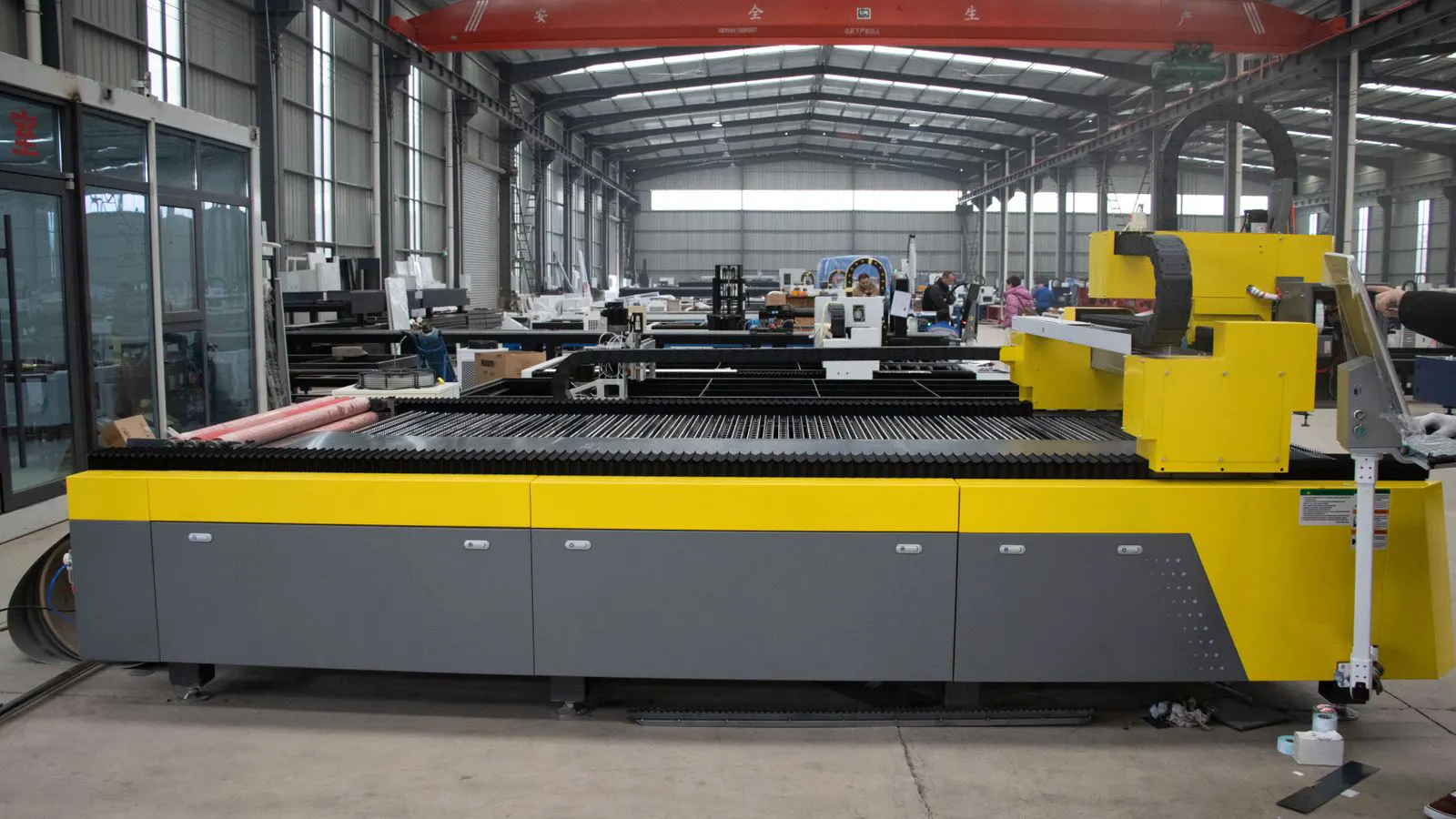
The future of CO2 engraving in wood is tied to how the machine fits into the production line. A standalone machine is slow. An automated cell is fast. The difference is not just in hardware, but in how the software communicates with the rest of the factory.
Modern CO2 systems often use a computer-aided design file as the source of truth. The file contains the vector data for the mark, the power settings, and the speed. When the machine connects to a central server, it can pull the next job automatically. It can also send the completion status back to the main system.
This integration removes manual errors. An operator no longer has to load a file from a USB stick and check the correct settings. The machine knows what to do. It also creates a digital record of every job. If a defect is found later, the factory can trace it back to the specific file and the specific machine that produced it.
For the wood industry, this means less waste. If a batch of marks is rejected, the factory can identify the cause. It was not the wood. It was not the operator. It was a specific setting in the file. This data helps the factory improve its process.
Material handling and dust control
Wood creates a lot of dust. When a CO2 engraving laser cuts or burns wood, the dust particles are very fine. They can settle on the optics, the table, and the surrounding equipment. This dust is a safety hazard and a quality risk.
A modern CO2 engraving laser setup includes a dust extraction system that pulls the air through the work area. The system uses filters to catch the fine particles. The filters need to be changed regularly. If they become clogged, the extraction power drops and the dust escapes.
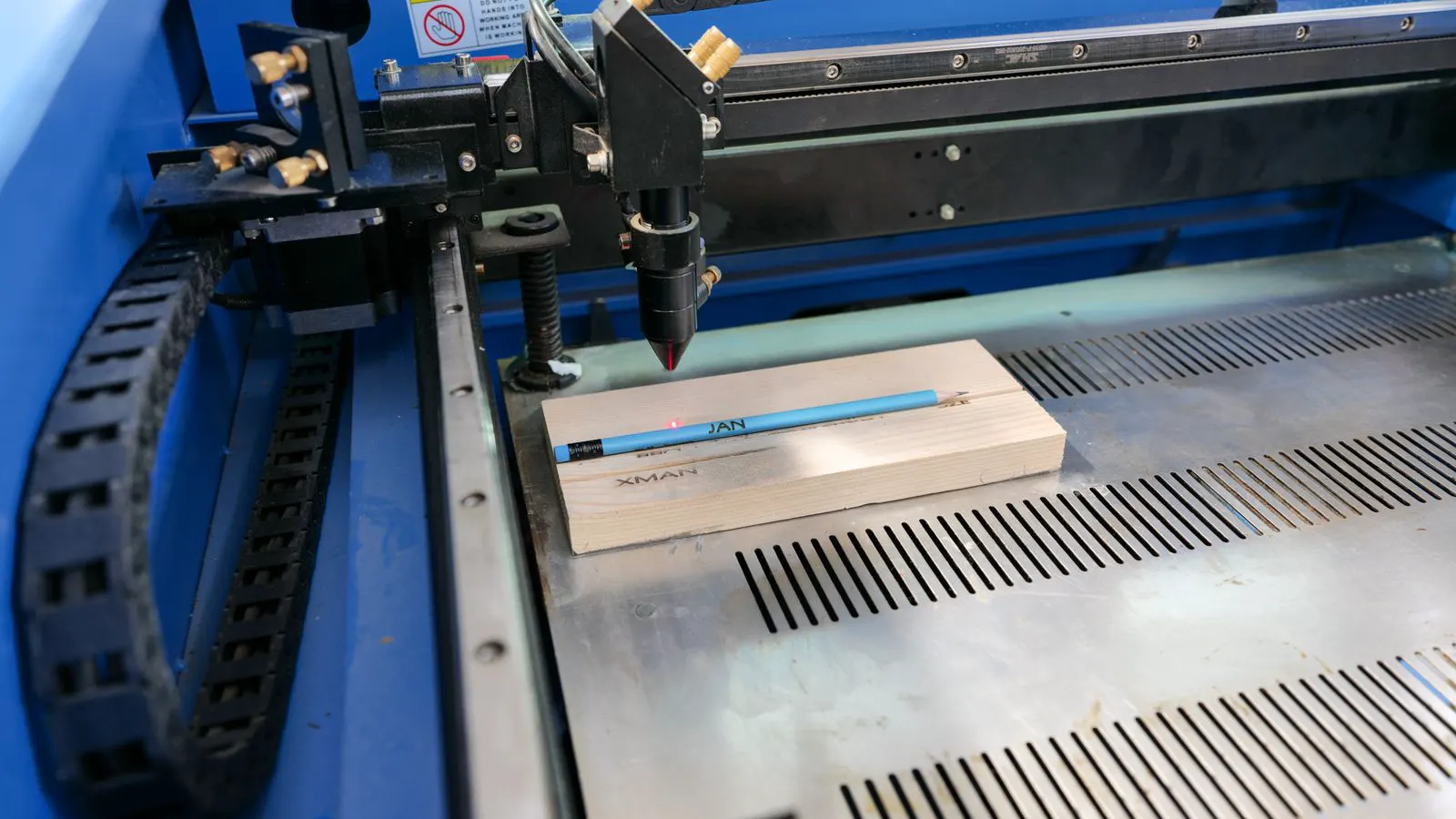
The table itself is also a key part of the setup. A flat, clean table helps the laser hold the material in place. Many wood shops use a honeycomb table with slots. This allows air to pass through the wood, which helps with smoke extraction and keeps the table surface clean.
Buyers should look at the dust collection system as part of the machine, not as an add-on. A poorly designed extraction system will cause more problems than a slightly weaker laser. It will ruin the optics and create a dirty, unsafe work area.
Future shifts in laser design and optics
The design of CO2 engraving lasers is moving toward higher efficiency and better beam control. The laser tube itself is being refined to produce a more consistent beam. This means the power output is stable from the first minute of the shift to the last.
The optics are also improving. The mirrors and lenses are coated to reduce absorption. This means less heat is generated in the optical path. Less heat means less thermal expansion, which means less beam drift. The result is a more stable beam that holds its shape over long production runs.
Another shift is in the focus system. The laser head can adjust the focus distance automatically. This is useful when the material thickness changes from piece to piece. The machine can measure the height of the wood and adjust the focus in real time. This keeps the mark sharp and consistent.
These improvements are not just about speed. They are about reliability. A stable beam is easier to control. It reduces the need for manual adjustments and allows the operator to focus on other tasks.
Preparing your facility for the next generation
Preparing for the future of CO2 engraving requires changes in how the facility is set up. The floor space needs to allow for dust extraction and airflow. The electrical supply needs to handle the power draw of the laser and the ventilation system.
The staff needs training. Operating a CO2 engraving laser is not just about pressing start. It involves understanding the settings, checking the alignment, and maintaining the optics. A skilled operator can identify a problem before it becomes a quality issue.
The software environment also needs to be ready. The factory needs a way to manage the design files. It needs a way to store the production data. It needs a way to communicate with the machine. These systems work together to create a smooth flow of work.
Summary of key planning points
The following table outlines the main areas buyers should consider when planning for a future CO2 engraving laser.
| Planning Area | Key Consideration | Practical Action |
|---|---|---|
| Beam Stability | Consistent power and focus | Check alignment and focus settings daily |
| Dust Control | Airflow and filter capacity | Size the extraction system for the volume of work |
| Software | File management and data logging | Connect the machine to the factory network |
| Material Handling | Table design and material support | Use a honeycomb table with good airflow |
| Maintenance | Optics and tube health | Schedule regular cleaning and alignment checks |
A final thought on the role of the CO2 engraving laser in the wood industry is that it is becoming a standard part of the production process. It is no longer a special tool for special jobs. It is a core machine for marking, identifying, and adding value to wood products. The buyer who plans for the future will focus on stability, integration, and maintenance. These are the factors that will determine the long-term success of the machine in the shop.
Frequently asked questions
Does a CO2 engraving laser work better on soft wood or hard wood?
The laser works on both, but the settings need to be adjusted. Soft wood burns faster and may char more easily. Hard wood requires more power and slower speed to achieve the same mark depth.
How often should the laser optics be cleaned?
In a wood shop, the optics should be checked and cleaned daily. Sawdust and resin particles can accumulate quickly and affect beam quality.
Can a CO2 engraving laser cut thick wood?
Yes, but the cutting speed will be slower than for thin material. The power and focus need to be set correctly to avoid burning the surface before the cut is complete.
What is the main advantage of automating a CO2 engraving cell?
Automation reduces manual errors and creates a digital record of each job. This makes it easier to trace defects and improve the process over time.
How does dust extraction affect the laser beam?
Dust in the air can scatter the beam and cause dark spots or blurring. Good extraction keeps the air clear and protects the optics from damage.