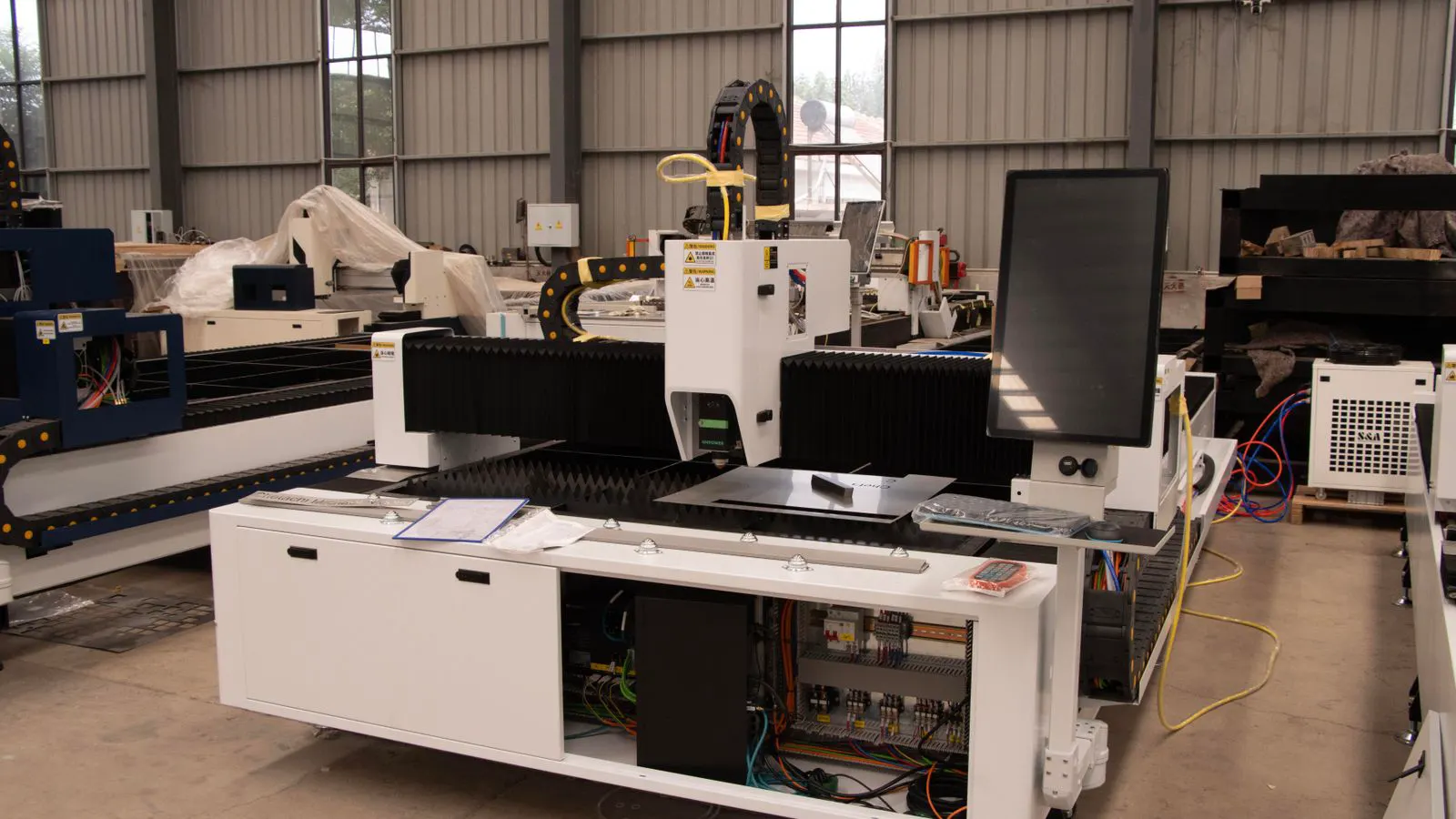
How Fiber Laser Cutting Works: Process Explained
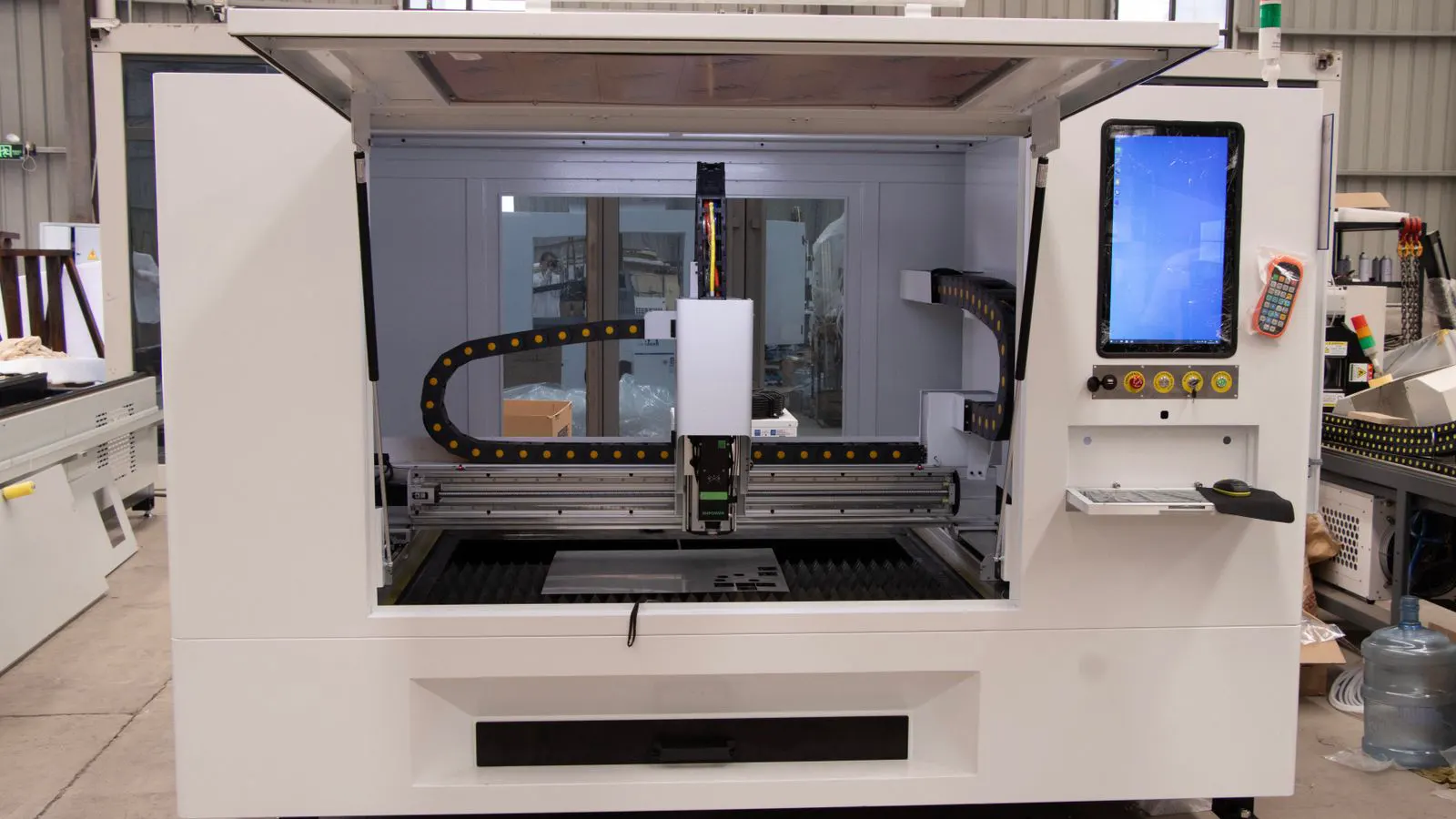
Fiber laser cutting uses a focused beam guided by a fiber optic cable to heat and remove metal. The process converts electrical energy into light, directs it through a nozzle, and blows gas to clear the cut. Understanding these steps helps buyers match machine features to their specific material and thickness requirements.
- Fiber lasers use a fiber optic cable to deliver the beam, allowing long distance delivery with low signal loss.
- The cutting process relies on a focused beam and a gas jet to remove molten material from the workpiece.
- Machine specs like power, lens, and head design directly influence the quality and speed of the cut.
- Selecting the right gas for the material and thickness is a key part of the process.
- Understanding the mechanics helps buyers evaluate performance claims against actual production needs.
What is the basic principle behind the process?
A fiber laser source converts electrical energy into light. That light travels through a thin strand of glass, known as a fiber optic cable. The cable carries the beam to the cutting head without significant loss. This design is different from older CO2 lasers, which used mirrors to guide the beam through air. The fiber connection gives the system a compact source and a stable beam path.
The beam exits the head and strikes the metal surface. The metal absorbs the light and heats up rapidly. When the temperature reaches the melting point, the surface turns to liquid. A gas jet then blows through the same path, pushing the molten material away and cleaning the edge. This combination of heat and gas is the core of the laser cutting process.
This method works best on conductive metals, such as mild steel, stainless steel, and aluminum. The metal must absorb the light efficiently. The beam also needs to stay focused as it moves across the sheet. If the focus drifts, the cut will be rough or slow. That is why the head and the control system matter as much as the laser source itself.
How does the beam get focused?
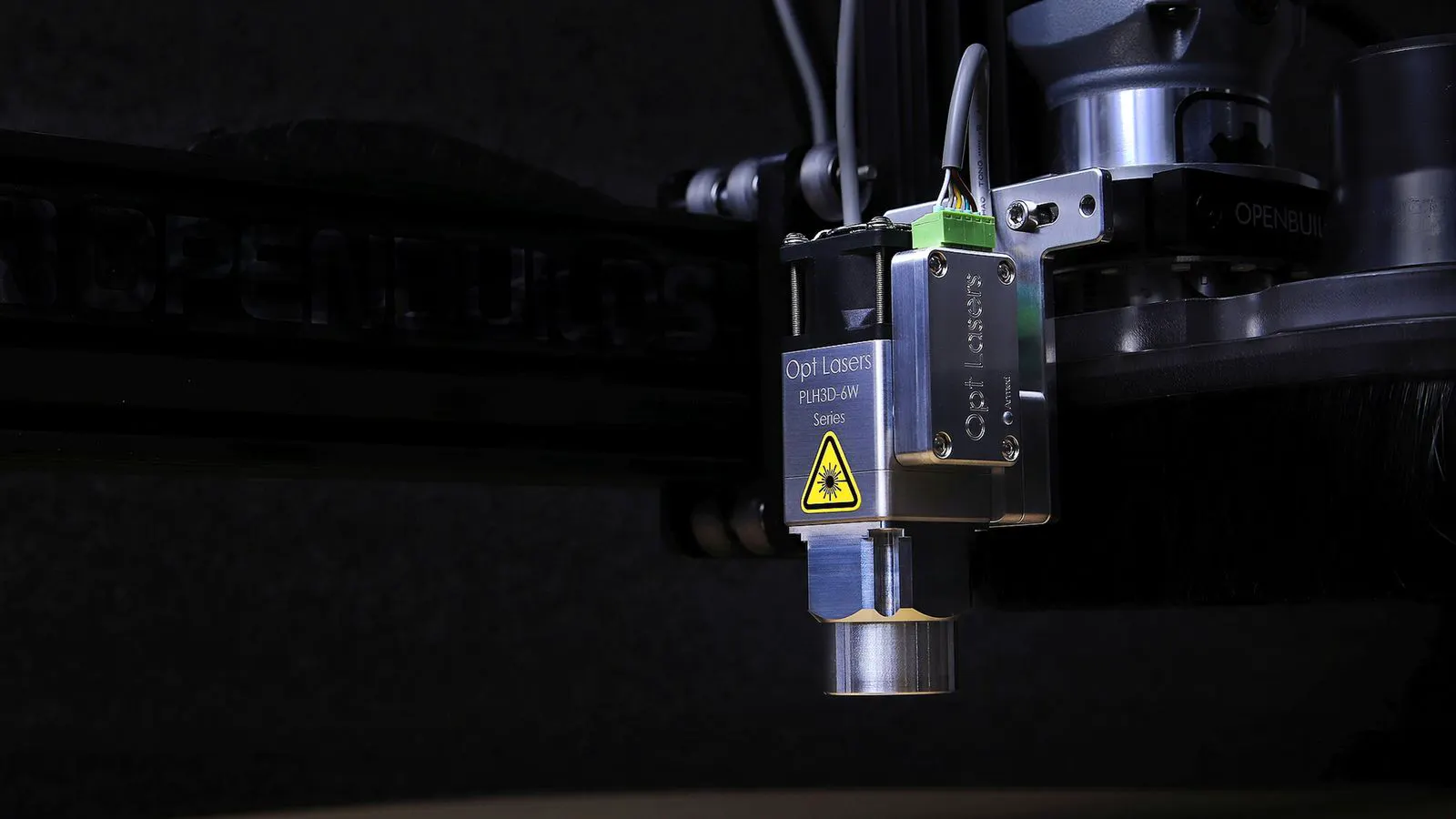
The raw beam from the fiber source is not narrow enough to cut. A lens inside the cutting head focuses the light into a small spot. The size of that spot, often called the focal length, determines the energy density. A smaller spot means more heat in a smaller area. This helps the metal melt faster.
The lens is the first point where machine quality shows up. A good lens stays clean and holds its shape under heat. A poor lens can degrade quickly, causing the beam to spread. When the spot grows, the edge quality drops, and the cutting speed slows. Many facilities keep spare lenses on hand and swap them during scheduled maintenance.
The head also contains a nozzle. The nozzle holds the lens in place and directs the gas. The gap between the lens and the material is critical. If it is too close, the nozzle may drag or scrape the sheet. If it is too far, the beam may diverge and the cut will be uneven. The machine controls this gap automatically, but the operator must understand what the settings do.
What happens to the metal during the cut?
When the beam hits the metal, the surface temperature rises quickly. In mild steel, the material melts and then the gas jet blows the liquid away. The edge of the cut is formed by the interaction between the heat and the gas. The quality of that edge depends on how fast the beam moves and how much gas is used.
At low speeds, the metal stays too hot. The excess heat burns the surface, creating a dark, rough edge with a lot of dross. At high speeds, the beam does not melt the material deeply enough. The cut may stop, or the edge may be weak and uneven. Finding the right speed for the material and thickness is a standard part of setup.
The gas plays a specific role here. Oxygen reacts with the hot metal, adding heat and helping the cut. Nitrogen or argon do not react but provide a strong flow to push the molten material out. The choice of gas changes the edge quality and the cut speed. Oxygen usually gives a faster cut on mild steel but can cause a larger heat affected zone. Nitrogen gives a cleaner edge and is preferred for stainless steel or when the edge finish matters.
How do different parts of the machine affect the result?
The laser source sets the maximum power. More power allows the machine to cut thicker sheets. It also helps with speed, but it does not remove the need for proper focus. A high power laser can cut a thick plate in seconds, but if the head is misaligned, the cut will be poor.
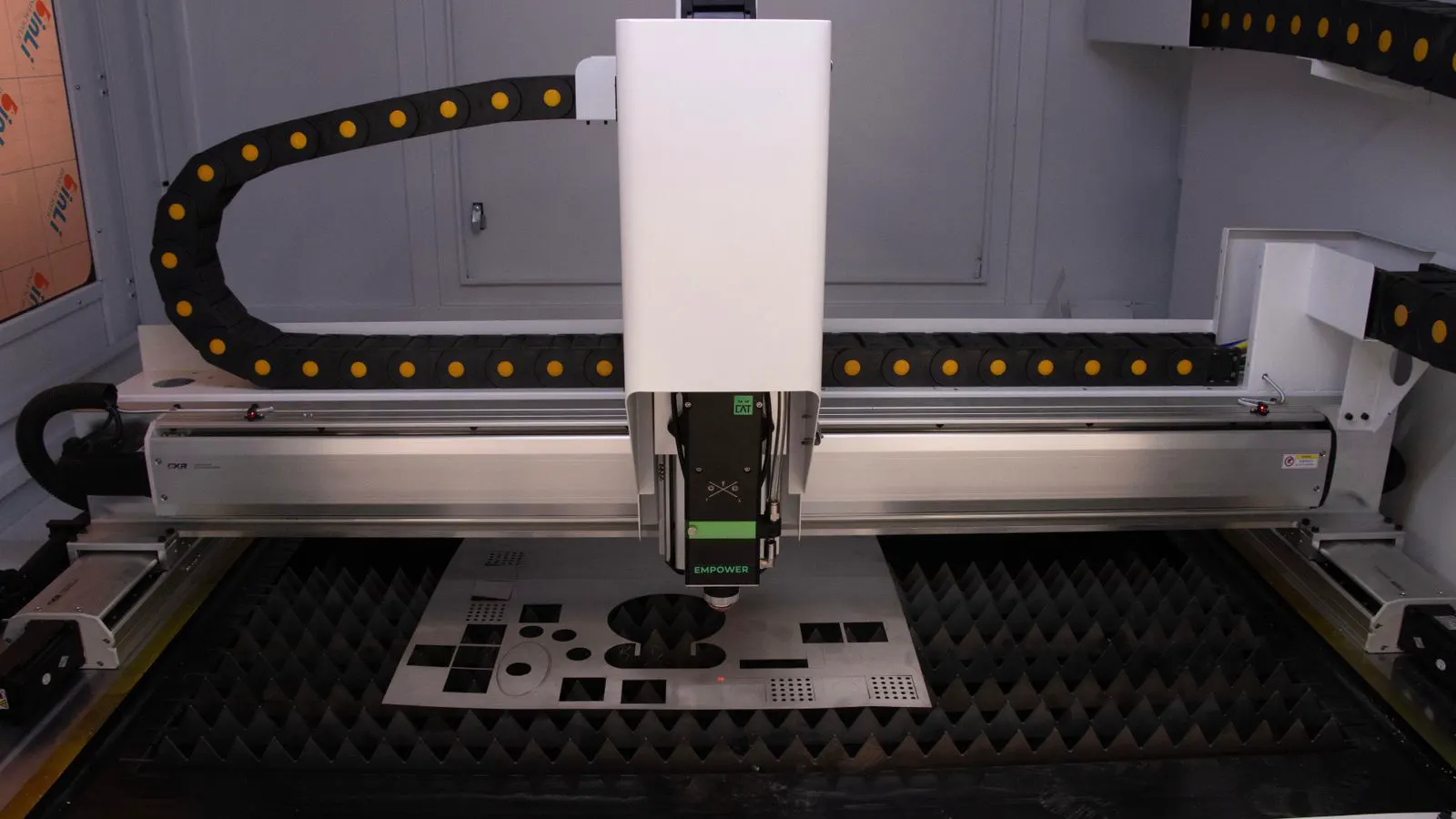
The cutting head contains the optics and the gas nozzle. The design of the head affects how the gas mixes with the beam. Some heads are designed for high speed and use a larger gas flow. Others are designed for precision and use a smaller, more focused jet. The choice depends on the materials and the desired edge quality.
The controller manages the beam path. It sends pulses of power to the head as the machine moves. The controller also handles the gas timing. Gas should start before the beam hits the metal and stay on for a short time after. If the timing is off, the cut will have a dark, oxidized edge. Modern controllers handle this automatically, but the operator must set the parameters correctly for each material.
The following table shows how common machine parts influence the cutting process.
| Machine Part | Function in the Process | Effect on Cut Quality and Speed |
|---|---|---|
| Fiber Source | Generates the laser beam | Sets maximum power and thickness capability |
| Cutting Lens | Focuses the beam to a small spot | A small spot increases energy density and cut speed |
| Cutting Nozzle | Directs the beam and gas | Affects gas flow and edge cleanliness |
| Controller | Manages beam pulses and gas timing | Poor timing causes dark edges and dross |
| Motion System | Moves the head across the sheet | Speed affects heat input and edge quality |
How does the process change with material type?
Mild steel is the most common material for fiber laser cutting. It conducts heat well and reacts with oxygen. This makes it a good fit for high speed cutting. The operator can use oxygen to speed up the process and keep the cost per part low. The edge will have a slight oxidation, which is usually acceptable for structural work.
Stainless steel behaves differently. It does not react with oxygen in the same way. Using oxygen can cause a dark, oxidized edge that is difficult to remove. Nitrogen is the standard choice. It keeps the edge bright and clean. The cut speed is slower than on mild steel, but the finish is better.
Aluminum is a challenge. It reflects much of the laser energy. The metal also has a high melting point. To cut it, the machine must use a high power source and a gas that does not react, such as nitrogen. The beam may need to be pulsed to prevent the material from reflecting the energy back into the head. The cut speed is generally lower than on steel, and the edge quality depends heavily on the gas flow.
What is a typical setup for a single cut?
An operator selects the material and thickness. The machine controller has a file for that material. The file includes the power, speed, and gas flow. The operator loads the sheet into the bed and aligns it with the reference marks. The machine then moves the head to the start point.
The head lowers to the correct height. The gas turns on. The beam turns on. The head moves across the sheet. The metal melts and the gas blows the liquid away. When the head reaches the end of the line, the beam turns off. The gas stays on for a moment to clear the remaining heat. The head then raises and moves to the next part.
This sequence happens repeatedly for each part. The operator watches the cut for the first few lines. They look for a bright edge and a clean bottom. If the edge is dark, they slow the speed. If there is too much dross, they increase the gas flow. This feedback loop is a normal part of the process. It takes experience to get the settings right for a new material.
How do these mechanics affect sourcing decisions?
When buying an industrial laser, the specs on the datasheet are only the starting point. The power rating tells you the maximum thickness. The head design tells you the gas capability. The controller tells you the precision. The motion system tells you the maximum speed.
A buyer must match these specs to their own production. If the main work is thin sheet for enclosures, a high power machine may be overkill. If the work is thick plate for structural steel, a low power machine will not cut fast enough. The fiber laser cutting process is not a one size fits all solution. It is a set of variables that must be balanced.
The first step is to define the material. What metal will be cut? What thickness? What edge quality is required? What is the production volume? The answers to these questions narrow the machine selection. A practical buyer will look at the head, the lens, and the gas system before looking at the power. These parts determine how the laser cutting process actually works on the floor.
The final check is to review the machine setup. Does the head have the right nozzle for the gas? Does the controller have the right files for the material? Is the motion system fast enough for the sheet size? These questions turn the technical specs into a practical decision. The fiber laser source is the engine, but the head and the controller are the tools.
Frequently asked questions
Why is a fiber optic cable used to guide the beam?
The fiber cable carries the beam from the source to the cutting head with very low loss. This allows the machine to be compact and the beam to remain stable over long distances.
What is the difference between cutting with oxygen and cutting with nitrogen?
Oxygen reacts with mild steel, adding heat and increasing the cut speed. Nitrogen does not react, so it is used for stainless steel or when a clean, bright edge is required.
How does the lens size affect the cut?
The lens focuses the beam into a small spot. A smaller spot increases the energy density, which helps the metal melt faster and improves the edge quality.
Why does the gas timing matter?
The gas must be on before the beam hits the metal to clear the molten material. If the timing is off, the edge may be dark or the cut may have excess dross.
Can a fiber laser cut non-metal materials?
Fiber lasers are designed for conductive metals. They do not work well on plastics, wood, or glass because these materials do not absorb the laser energy in the same way.