Explainer: Fiber Laser Welding vs Laser Marking Technology
Fiber laser technology powers both welding and marking systems, but the core functions differ. Welding uses high average power to melt and fuse metal, while marking uses low energy density to ablate the surface. Choosing the right system depends on material thickness, desired output, and budget.
- Fiber laser technology differs in power delivery between welding and marking, affecting machine cost and application.
- Welding requires stable beam quality and higher average power to melt metal for a joint.
- Marking uses pulse or continuous-wave low power to remove or change surface material.
- Sourcing decisions depend on material type, thickness, and the physical result required.
- Optics, cooling, and control software vary significantly between the two technologies.
What is fiber laser technology?
Fiber laser technology uses a laser diode to generate light. A fiber cable carries that light to the workpiece. The beam is small, focused, and stable. This core principle applies to both welding and marking. The difference is how the machine manages that beam energy over time.
Welding machines deliver sustained, high average power. Marking machines deliver controlled, lower energy pulses or a low-power continuous beam. The laser diode itself is similar in concept. The amplifiers, fiber length, and delivery optics change based on the task.
This distinction matters for sourcing. A buyer looking for a welder must evaluate beam quality and thermal stability. A buyer looking for a marker must evaluate pulse control and optics. Confusing the two leads to equipment that either fails to penetrate or burns the workpiece.
How power and energy delivery differ
The fundamental split is power vs. pulse control.
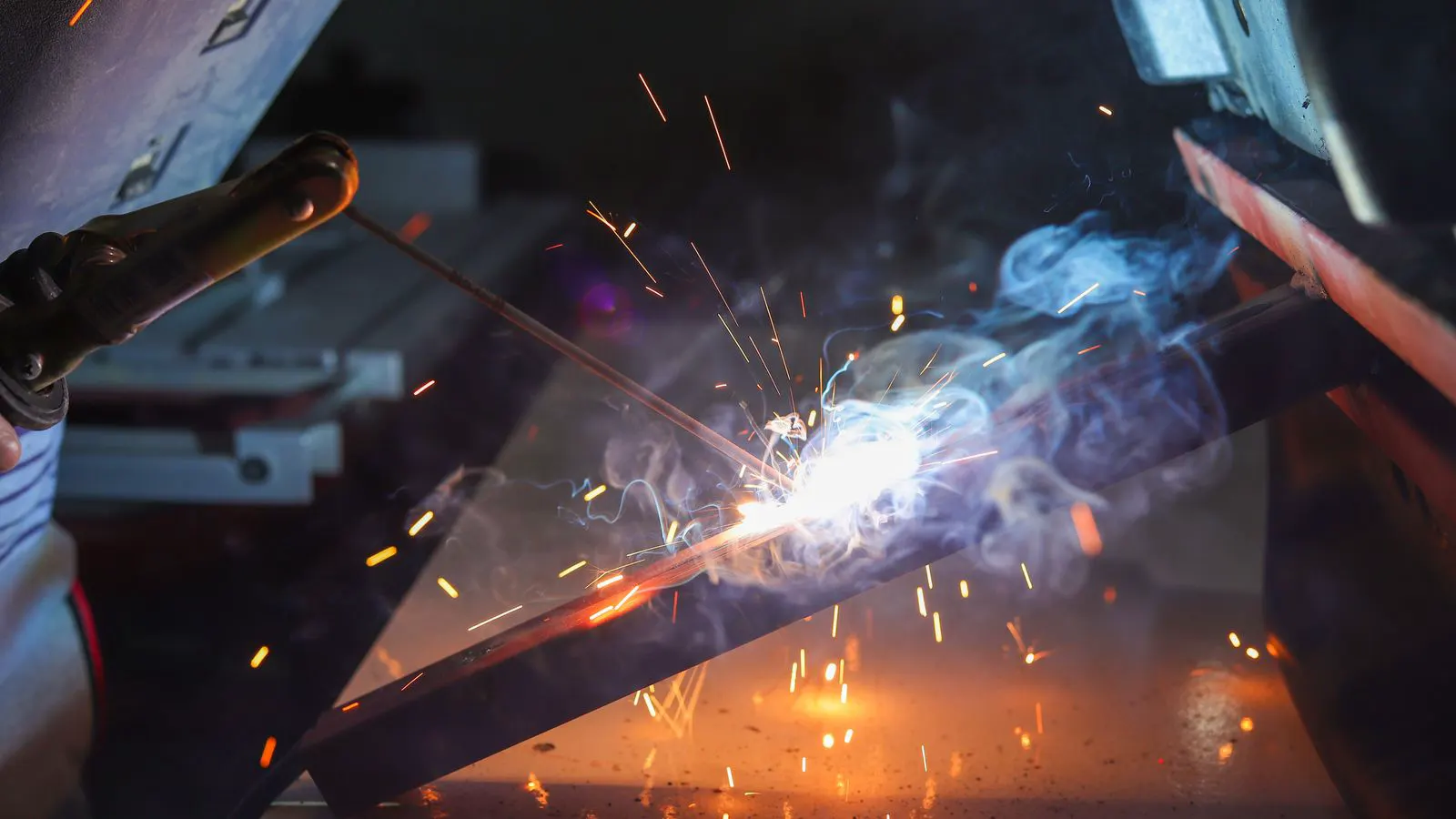
Welding relies on average power. The machine keeps the beam on the metal long enough to melt a pool. That pool cools and forms a joint. If the power is too low, the weld does not penetrate. If it is too high, the metal burns through or warps.
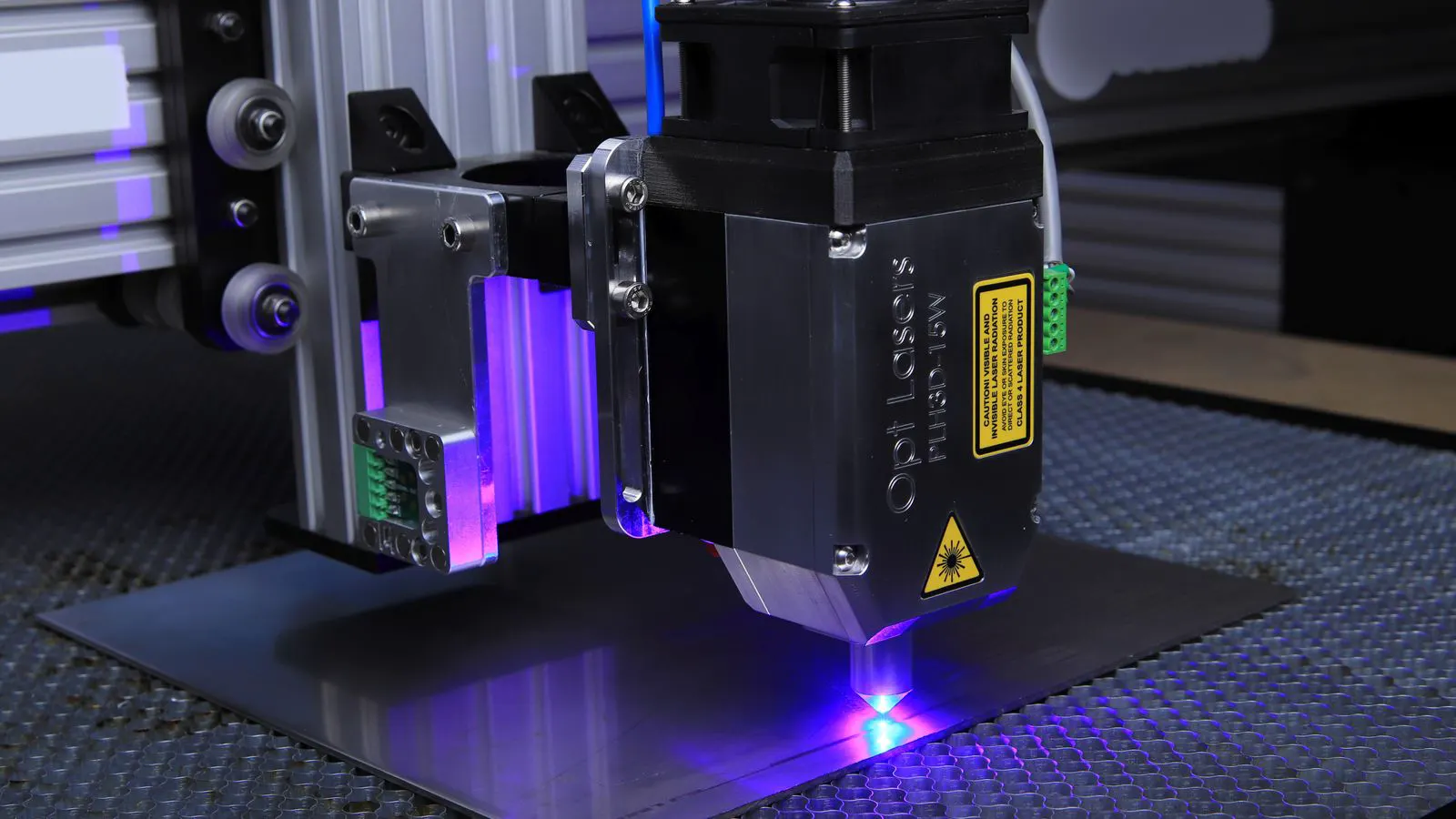
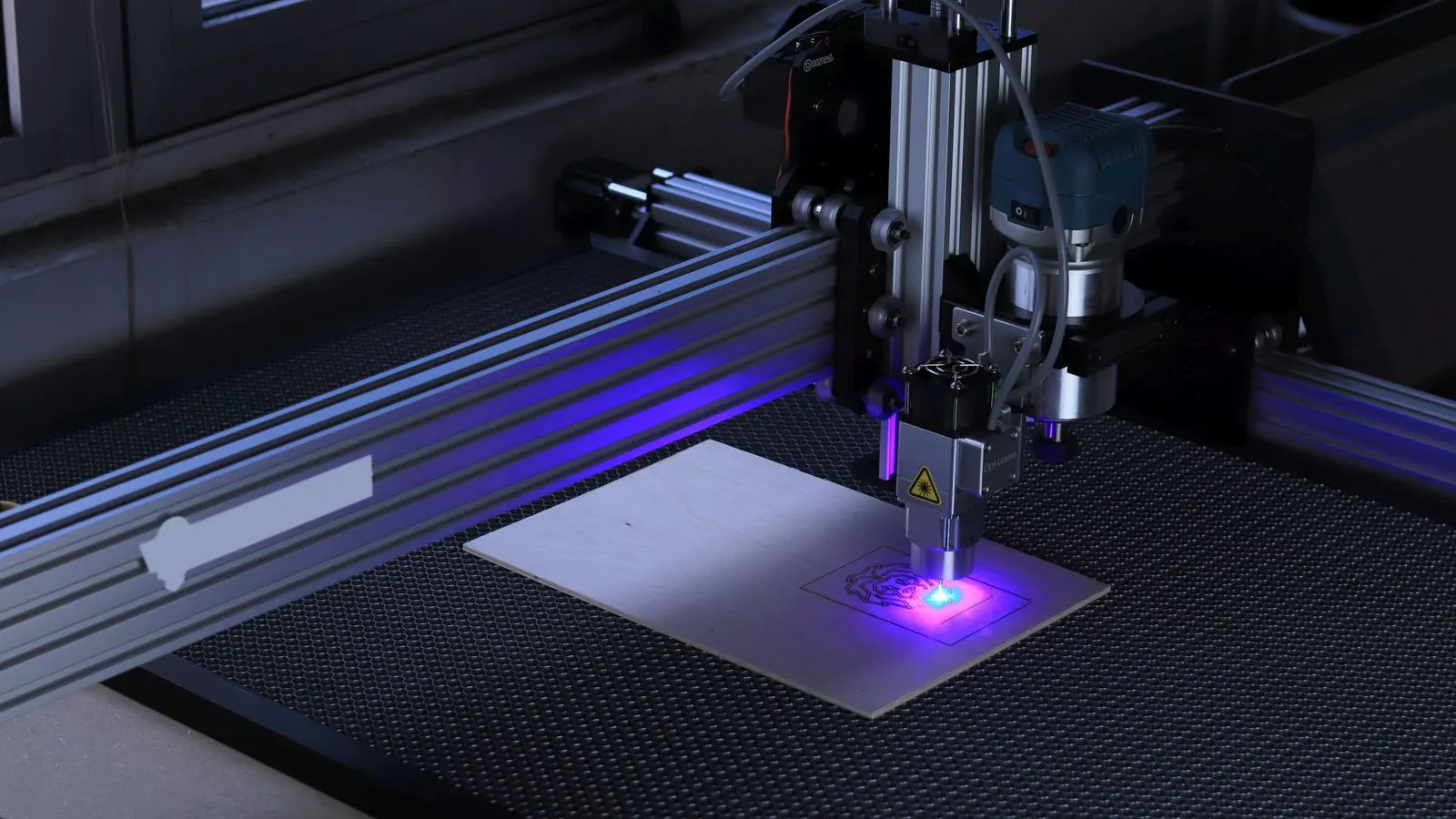
Marking relies on energy density. The laser hits the surface for a very short time. The material ablates, or vaporizes, at that spot. The pattern is built from thousands of these small hits. The goal is a crisp image or text, not a melted joint.
These two approaches demand different hardware. Welders need high-power amplifiers and stable delivery. Markers need precise pulse shaping and fine optics. The laser source may look identical from the outside, but the internal architecture serves different functions.
Beam quality and optics
Beam quality determines how tightly the laser focuses. A good beam stays tight over a long distance. A poor beam spreads out and loses power.
For welding, beam quality affects penetration depth. A tight beam concentrates heat in a small area. This helps the laser reach deeper into thicker sheet steel without melting the top layer excessively. The optics in a welder are designed to handle high heat loads. They often use ceramic or special glass coatings.
For marking, beam quality affects contrast. A tight beam creates sharper edges. The optics in a marker are designed to deliver a fine spot. They use lens assemblies that can switch between different focal lengths. This allows the user to adjust depth of field.
The fiber itself matters too. Welding fibers are often shorter to reduce loss. Marking fibers may be longer to support different pulse profiles. The delivery head for a welder is a heavy, water-cooled block. The delivery head for a marker is lighter and often includes a galvo mirror system.
Materials and process requirements
Material thickness drives the choice between welding and marking.
Welding is a joining process. It requires the laser to penetrate the full thickness of the material. Thin sheet steel may require a lower power setting than thick plate. The material composition also affects absorption. Stainless steel and aluminum absorb laser energy differently than carbon steel.
Marking is a surface modification process. It does not require penetration. It only needs to change the top layer. Aluminum, for example, is difficult to mark because it reflects much of the laser energy. Marking aluminum often requires specific pulse settings or a different wavelength.
The physical result is the final test. A welder must produce a joint that holds. A marker must produce a label that is legible. If a buyer confuses these two, the equipment will not perform the intended task.
Cost and sourcing considerations
Sourcing decisions hinge on the expected output and the machine’s complexity.
Welding systems are generally more expensive. They require higher power amplifiers, robust cooling systems, and heavy-duty delivery heads. The control software must manage heat input carefully to prevent distortion. Maintenance costs are higher because the optics see intense thermal stress.
Marking systems vary widely in price. A simple desktop marker for wood or plastic costs less than an industrial marker for stainless steel. The complexity depends on the number of axes and the type of optics. A single-axis marker is simpler than a multi-axis system that can mark curved parts.
Buyers should list their specific materials. A welder for thin sheet steel is different from a welder for thick plate. A marker for aluminum is different from a marker for stainless steel. Asking the supplier about the fiber type, beam quality, and power range is standard practice.
The table below compares the typical requirements for both technologies.
| Feature | Laser Welding | Laser Marking |
|---|---|---|
| Primary Goal | Join metals | Mark or engrave surfaces |
| Power Level | High average power | Low power, high pulse frequency |
| Beam Quality | Critical for penetration | Critical for contrast |
| Optics | Heavy, heat-resistant | Light, precision-focused |
| Delivery Head | Water-cooled block | Galvo mirror assembly |
| Material Focus | Thickness and composition | Surface reflectivity |
A worked example: marking a serial number vs. welding a bracket
Imagine a factory that makes metal brackets.
The first task is to mark a serial number on the bottom of each bracket. The bracket is made of stainless steel. The number must be readable for inventory tracking. The laser does not need to penetrate the steel. It needs to ablate a tiny layer of the surface. The marking machine uses a low-power fiber laser. It fires thousands of short pulses to form the digits. The process takes seconds. The result is a dark, permanent mark. The machine is relatively lightweight. The optics are small. The cooling system is modest.
The second task is to weld two brackets together to form a larger assembly. The brackets are made of the same stainless steel. The welder must melt the edges and fuse them. The laser uses high average power. It moves slowly along the joint. The beam is focused to penetrate the full thickness of the steel. The process takes longer. The machine is heavier. The delivery head is water-cooled. The control software monitors power and speed to prevent burn-through.
Both machines use fiber laser technology. The first creates a mark. The second creates a joint. The hardware, cost, and maintenance differ significantly. A buyer who needs both processes must understand that these are two separate categories of equipment.
Common mistakes in sourcing
A frequent mistake is assuming that a higher power marking machine is a welder. Power alone does not determine the function. A high-power marking laser can ablate deep, but it does not create a weld. The pulse profile and delivery method are different.
Another mistake is ignoring beam quality. A cheap laser may have high peak power but poor beam quality. The beam spreads out. The weld is weak or the mark is blurry. Asking for the beam quality specification is a standard check.
Buyers also confuse pulse width. Marking lasers use short pulses. Welding lasers use continuous or long-pulse energy. The control software in a welder manages heat input. The control software in a marker manages dot size and spacing. These are different engineering problems.
Finally, maintenance planning is often overlooked. Welding optics degrade faster due to heat. Marking optics degrade due to dust and debris. The cleaning intervals and spare parts differ. A buyer should ask the supplier about the expected lifespan of the delivery head and the cost of replacement.
Conclusion
Fiber laser technology serves two distinct roles in metal processing. Welding uses high average power to melt and join materials. Marking uses controlled energy to modify the surface. The laser source is similar, but the delivery, optics, and control systems are not.
Sourcing decisions must reflect the physical task. A welder requires robust hardware and thermal management. A marker requires precision optics and pulse control. Understanding these differences helps buyers select the right equipment and avoid costly mistakes.
The choice is not about which technology is better. It is about which technology fits the job. For joining, choose welding. For labeling, choose marking. The laser technology is the same family, but the application defines the machine.
Frequently asked questions
Can a fiber laser marking machine be used for welding?
No. Marking machines lack the average power and delivery optics needed to melt and fuse metal. They are designed for surface ablation.
What is the main difference in optics between welding and marking?
Welding optics are heavy and designed to handle high heat loads. Marking optics are lightweight and designed to focus a fine spot for precision.
How does material thickness affect the choice between welding and marking?
Welding requires the laser to penetrate the full thickness of the material. Marking only affects the surface, so thickness is less of a constraint.
What is beam quality and why does it matter?
Beam quality describes how tightly the laser focuses. It affects penetration depth in welding and contrast in marking. A poor beam leads to weak welds or blurry marks.
Are welding and marking lasers made from the same components?
The laser diodes are similar, but the amplifiers, fiber length, and delivery heads differ significantly based on the task.