Laser Maintenance Cost: Annual Budgeting for Industrial Cutters
Annual laser maintenance cost covers consumables, labor, and downtime risks. Budgeting requires separating routine checks from major service. Total cost of ownership must include power, gas, and spares. These factors drive sourcing decisions and long-term fleet value.
- Annual recurring expenses include nozzles, lenses, gas, and scheduled labor.
- Total cost of ownership combines purchase price with power, gas, and service.
- Downtime during maintenance often costs more than the labor itself.
- Sourcing decisions should prioritize service parts availability and local support.
- A simple budget template helps track actual spend against planned estimates.
What drives annual service spend
Laser maintenance cost is not a single line item. It is a sum of parts replaced, labor hours billed, and the value of lost production during service windows. A typical industrial cutter fleet has predictable recurring needs. Nozzles and lenses wear with every cut. Laser tubes or diode heads degrade over time. Gas lines clog. Optics collect dust.
These consumables form the base of the annual budget. If a machine cuts thin sheet steel every day, the nozzle replacement rate is higher than on a machine that runs intermittent jobs. The material thickness and alloy matter. Harder materials ablate more, wearing optics faster.
Service labor is the second major cost. Technicians charge by the hour. Complex machines need more time for calibration and alignment. The third cost is downtime. A machine offline for a full day loses a day of output. For a plant with tight delivery schedules, that lost day can exceed the service invoice by a large margin.
How to split fixed and variable costs
Budgeting works better when you separate fixed costs from variable costs. Fixed costs are the same every year regardless of run time. They include annual inspection contracts, software license renewals, and basic consumables like filters and belts. Variable costs scale with production. More hours on the machine mean more gas used and more nozzles replaced.
The fixed portion is easier to predict. You can assign a set amount to each machine in the fleet. The variable portion requires tracking. You need to know your average cost per hour of operation. Gas consumption depends on the material and thickness. Laser power settings affect tube life.
A practical approach is to log three data points per quarter. Hours of operation, number of consumables replaced, and any unplanned downtime. This creates a baseline. After two or three years, the baseline becomes reliable enough to forecast the next budget period. Without this data, every estimate is a guess.
Key components that affect the total
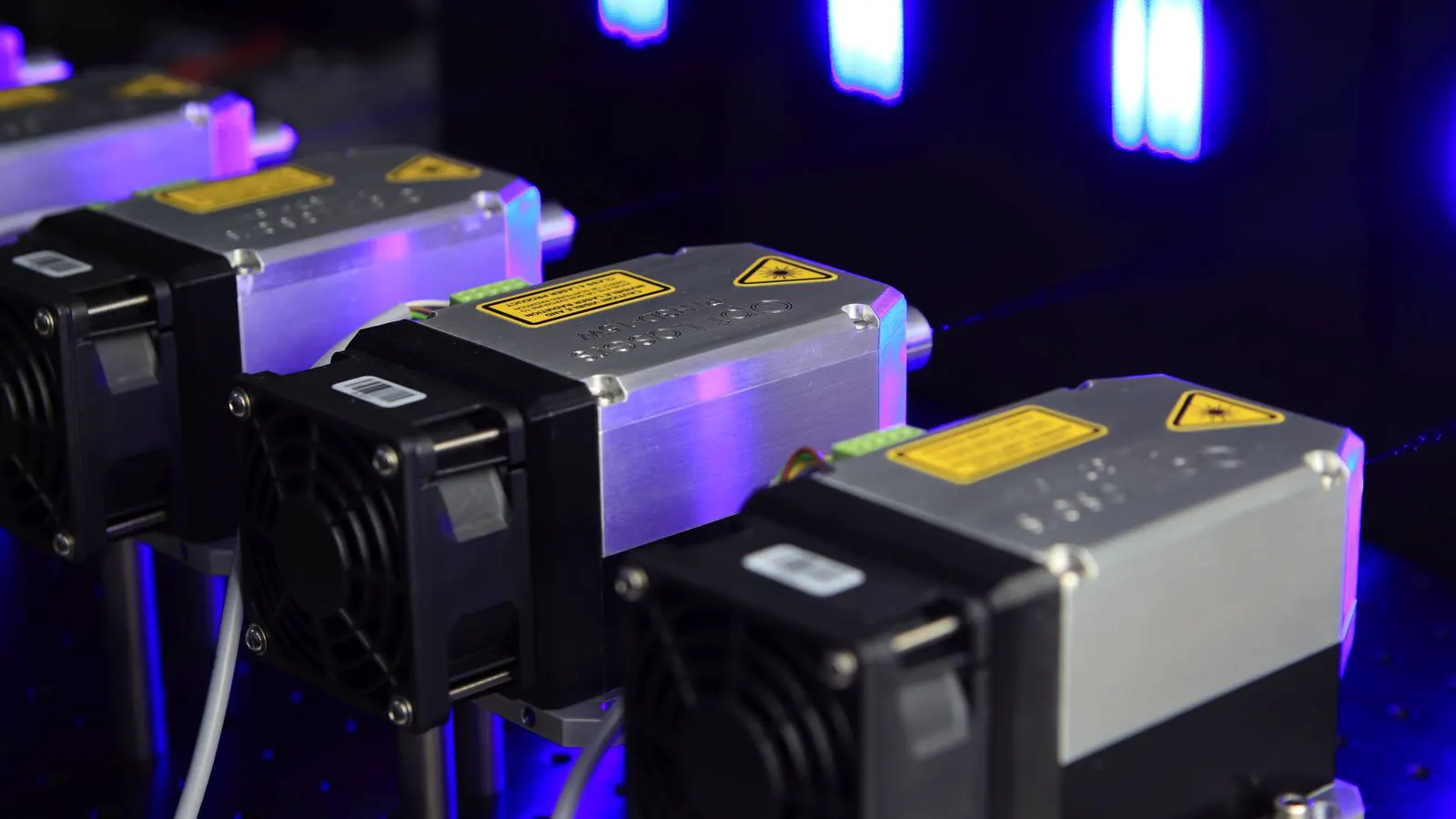
Several components influence the annual spend. The laser source itself is the largest factor. A fiber laser has different maintenance needs than a CO2 laser. Fiber sources generally require less gas and have simpler optics. CO2 systems need more attention to the gas mix and mirror alignment.
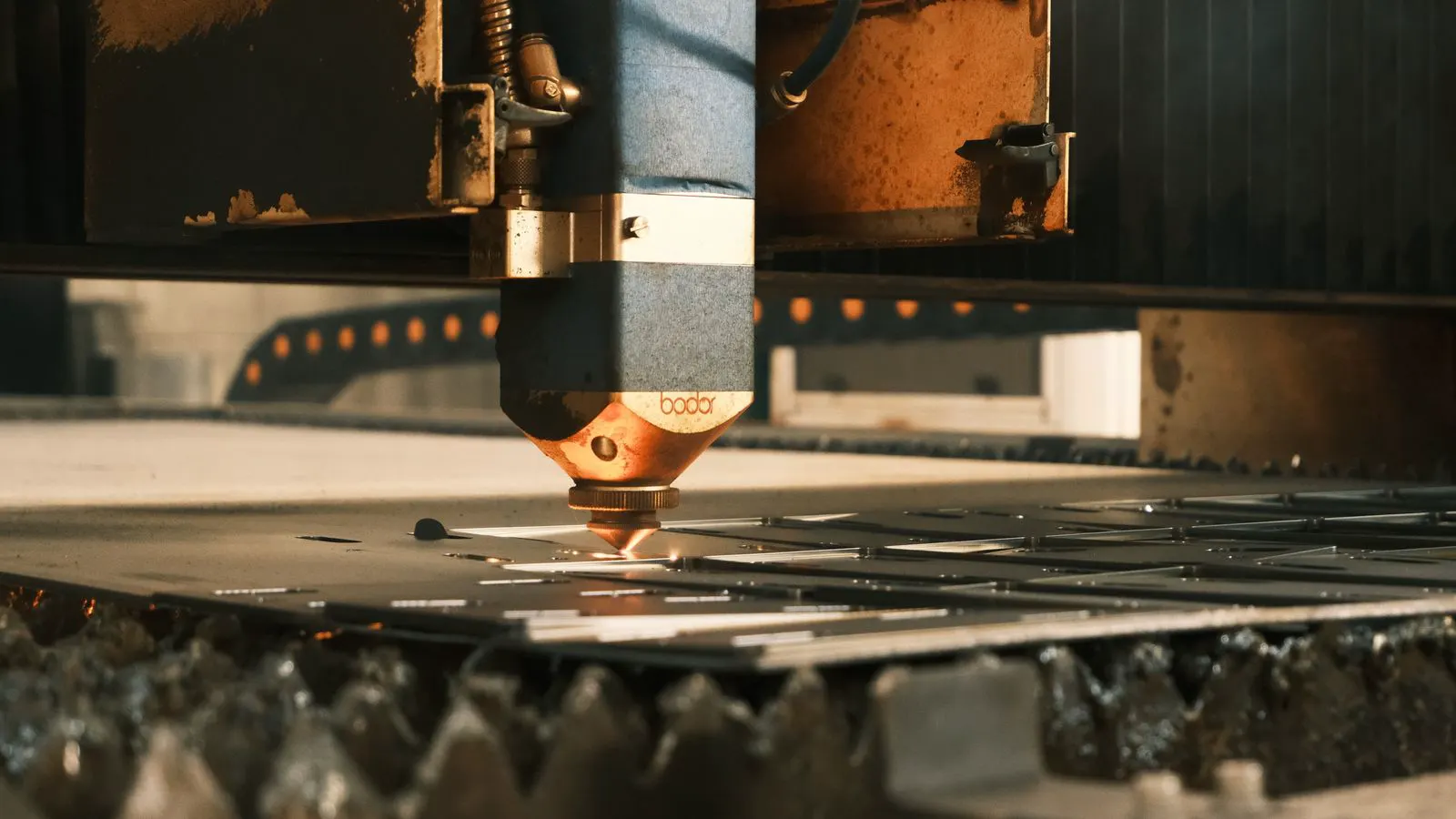
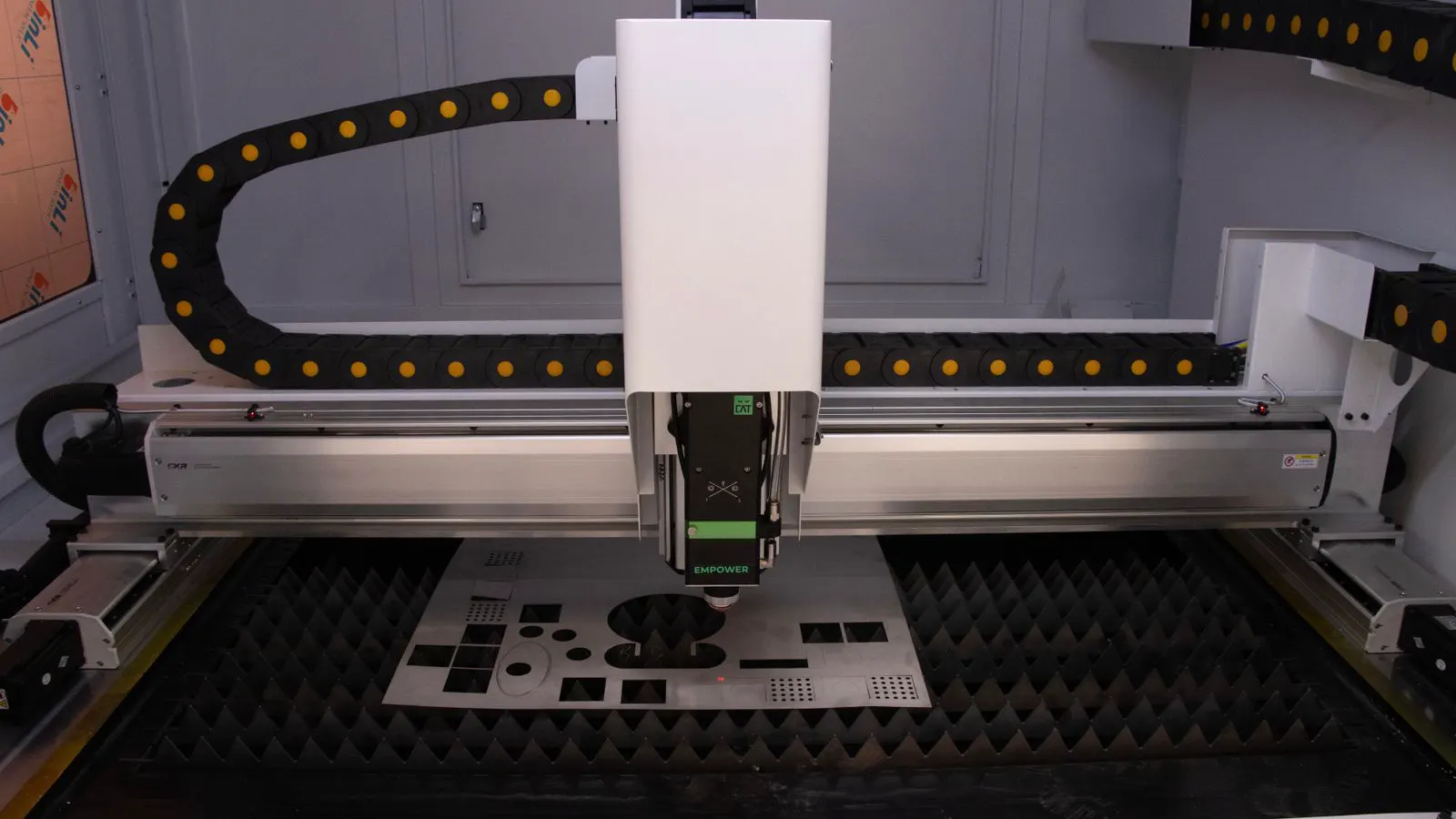
The cutting head assembly is another major cost driver. The nozzle, lens, and focusing system replace at different intervals. Nozzles are cheap but frequent. Lenses cost more and last longer. The focusing mechanism wears with vibration and impact. If the machine moves over long distances, the gantry rails also need periodic service.
Gas supply is often overlooked. Air, nitrogen, and oxygen are used for cutting. The gas quality matters. Moisture or particulates in the gas cause clogs and poor cut quality. A small gas filter upgrade can reduce the frequency of nozzle cleaning.
The control system and software also affect cost. Modern machines have self-diagnostic features. They alert the operator when a part is due for replacement. Older systems rely on manual inspection. The cost of software updates and technical support varies by supplier.
A worked example of a budget line
Imagine a shop with three fiber laser cutters. They run steel and stainless sheet for automotive parts. Each machine runs about 1,600 hours per year. The shop buys nozzles and lenses in bulk. Gas is supplied from on-site cylinders.
For each machine, the annual budget might include a set number of nozzles, a set number of lenses, and a gas allowance. The labor cost is quoted by the service provider. The shop should also set aside a small amount for unexpected repairs. A worn motor or a cracked mirror is not predictable, but it does happen.
The total cost of ownership for this setup includes the purchase price of the three machines, the annual service budget, the cost of gas, and the cost of power. The service budget is usually a small fraction of the purchase price each year, but it adds up over the life of the machine. The goal is to have the funds available when the service is needed.
| Cost Category | What It Covers | Budgeting Tip |
|---|---|---|
| Consumables | Nozzles, lenses, filters, belts | Track usage per 100 hours |
| Gas Supply | Air, nitrogen, oxygen | Monitor cylinder consumption |
| Labor | Scheduled service, calibration | Compare local supplier quotes |
| Power | Electricity for laser and controls | Check utility rates for peak hours |
| Downtime | Lost production during service | Value lost output per hour |
How sourcing decisions change with service costs
When buying a machine, the sticker price is only the start. The annual laser maintenance cost shapes the total value. Two machines with the same price tag can have very different service costs. One may require parts that take weeks to ship. The other may have common parts in local stock.
The availability of service parts is a key factor. If a specific mirror or motor is hard to find, the machine sits longer when it breaks. This increases the downtime cost. Sourcing a machine from a supplier with a strong local support network reduces this risk.
The warranty and service contract also matter. A good contract defines what is covered. It should include labor and parts for a set period. After the warranty ends, the cost shifts to the owner. Knowing the expected service costs after the warranty period helps in the decision.
Some buyers focus only on the initial investment. They choose the cheapest machine to save money upfront. Then the annual costs rise. The gas consumption is higher. The parts are more expensive. The service hours are longer. The total cost of ownership ends up being higher than a premium machine that uses less gas and needs less labor.
Common mistakes in annual budgeting
The most common mistake is underestimating downtime. The service invoice is visible. The lost production is not. If a machine is down for three days because a part is backordered, the loss is real but invisible in the service budget.
Another mistake is ignoring gas quality. Cheap gas may save money on the cylinder, but it causes more clogs. More clogs mean more nozzle changes and more cleaning time. The net cost can be higher.
Operators also underestimate the cost of calibration. A machine that is not aligned properly cuts poorly. This leads to rework. Rework wastes material and time. Regular calibration is a preventive measure. It costs money, but it prevents larger losses.
Building a simple budget template
A good budget starts with a spreadsheet. List each machine. Add the expected hours of operation. Add the number of consumables needed. Add the gas cost. Add the labor cost. Add a contingency line.
Review the template every quarter. Compare the actual spend to the planned spend. If the actual spend is higher, find the cause. Was it more hours? Was it a bad part? Was the gas price up? Adjust the template for the next quarter.
The template does not need to be complex. It needs to be consistent. The same data points, checked at the same time each year. Over time, the template becomes a tool for planning. It helps with cash flow. It helps with pricing. It helps with deciding when to replace a machine.
The annual laser maintenance cost is a moving target. The market changes. Parts prices change. Labor rates change. The budget must be updated. A static budget from three years ago is useless. The goal is to have a living document that reflects the current reality of the fleet.
Frequently asked questions
How often should I budget for laser maintenance?
Review the budget quarterly to track actuals. Update the annual plan at the start of the fiscal year. Adjust after major production changes.
What is the biggest part of the annual service cost?
Labor and downtime are often the largest hidden costs. Consumables are visible but usually smaller in value. The lost production during service windows is the most significant factor.
Does gas quality affect maintenance cost?
Yes. Poor quality gas causes clogs and poor cuts. This increases the frequency of nozzle changes and cleaning. Using clean gas reduces these costs.
How do I estimate downtime costs?
Calculate the value of production lost per hour. Multiply that by the expected downtime hours. Add the cost of any expedited shipping for parts.
What should I do if the service cost is rising?
Check the operating hours and material types. Review the gas consumption. Compare service quotes from different providers. Look for parts availability issues.