Cost of Laser Parts: Consumables vs Capital Equipment
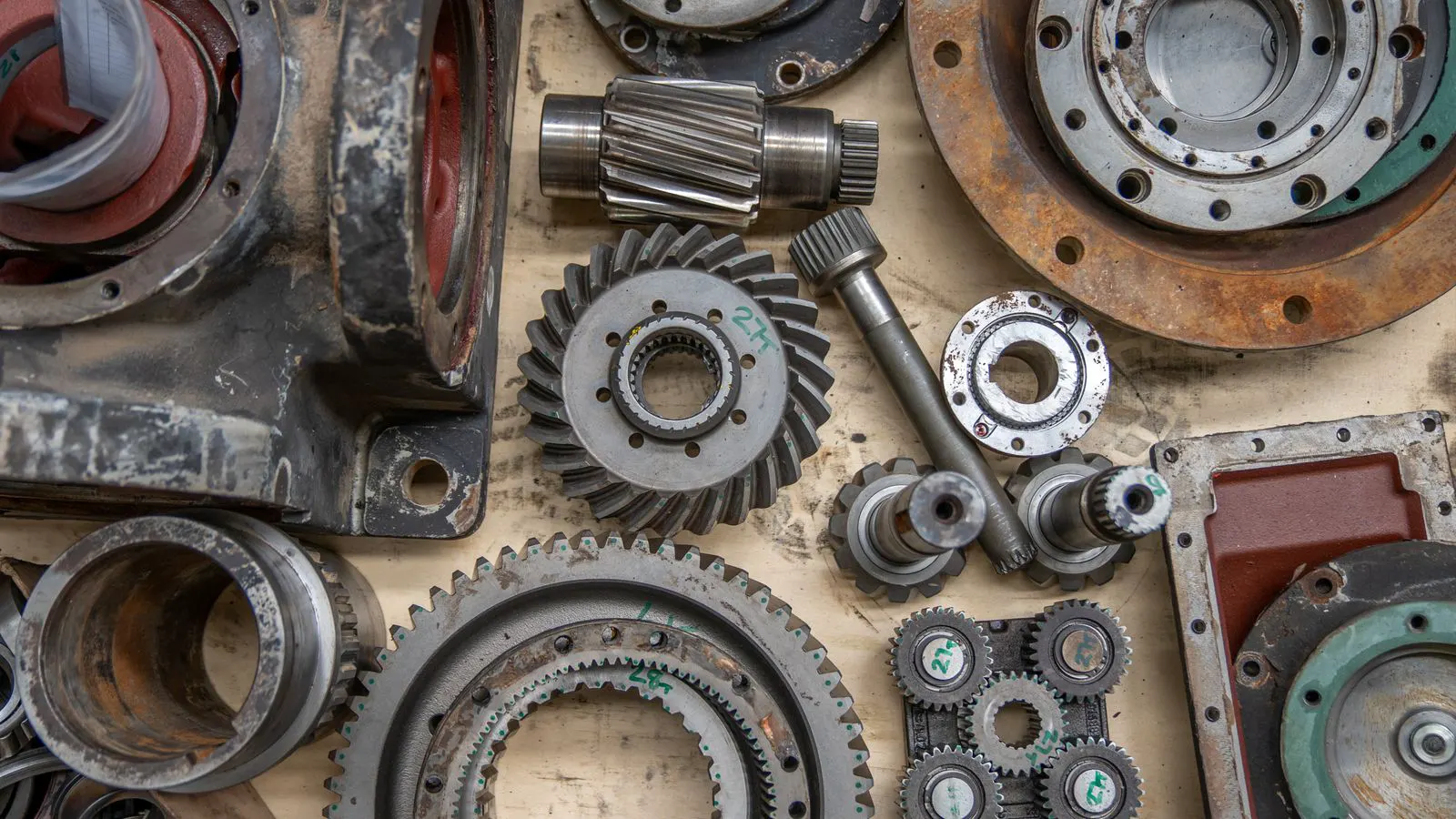
Laser parts cost consists of two separate budget lines. Capital equipment covers the machine and core optics. Consumables cover recurring replacements like nozzles and lenses. Budgeting both prevents surprise downtime.
- Separate capital equipment costs from recurring consumables when building a budget model.
- Standardize RFQs by listing part numbers, specifications, and delivery windows to get fair quotes.
- Use total cost of ownership laser metrics to compare suppliers beyond the initial invoice price.
- Track lead times for critical parts to avoid production line stoppages.
Why laser parts cost needs a two-part budget
Many engineering teams treat the machine purchase as the only hard cost. This approach ignores the recurring expense of replacing worn components. A laser system is not a static asset. It consumes parts every hour it runs. The laser parts cost model must split expenses into capital equipment and consumables.
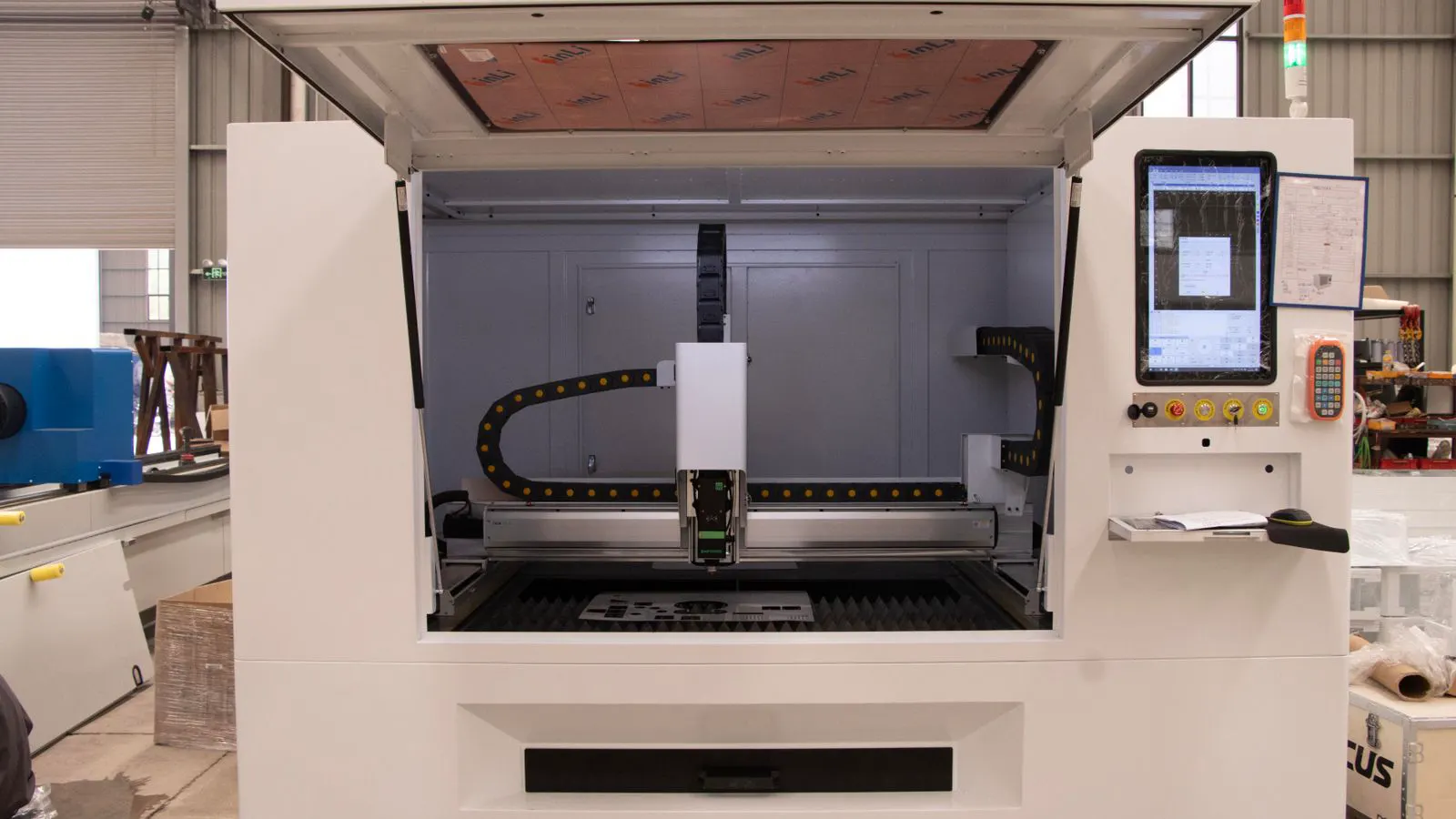
Capital equipment covers the frame, power source, motion systems, and control cabinet. These items have a long service life. Consumables are smaller, replaceable items that wear out with use. Nozzles, lenses, and mirrors are common examples. The power source itself is a hybrid item. The main tube or diode array degrades over time, but it often has a replacement cycle longer than a cutting nozzle.
This separation matters because the two categories behave differently in a budget. Capital costs are fixed at the start of a project. Consumable costs vary with production volume and material type. A high-volume shop will see a larger consumables line than a low-volume prototyping lab. Accurate forecasting requires tracking both streams.
What drives the price of laser parts
Several factors influence the final invoice. Material quality is the first driver. High-quality optics cost more than standard glass. They also survive higher thermal loads. A cheaper lens may last only a few weeks of continuous cutting. A premium lens can last months. The price difference reflects manufacturing tolerance and coating quality.
Compatibility is the second driver. Parts must fit the specific machine model. Universal parts are cheaper but may not perform well. Manufacturer-specific parts carry a premium but guarantee fit and function. If you buy a third-party laser part, verify the specifications against your machine manual. Mismatched focal lengths or aperture sizes can damage the head.
Volume and supply chain status affect price too. Standard nozzles are usually in stock. Specialized nozzles for thin sheet metal may have longer lead times. During peak seasons, prices for common consumables can rise. Supply chain disruptions can push delivery times from days to weeks. Engineers should always check stock availability before placing an order.
How to write a clear RFQ for laser parts
A vague request leads to vague answers. You need a structured request for quotation to compare suppliers fairly. Start with the machine model and serial number. This helps the supplier identify the correct part. Include the part number if you have it. If you do not, describe the part and its function.
List the required specifications. For a nozzle, include the material, diameter, and length. For a lens, include the focal length and material type. Specify the quantity and the desired delivery date. Add any special requirements, such as bulk packing or just-in-time delivery. A clear RFQ reduces back-and-forth and speeds up the quote process.
Use a standard format. A table works well. Columns can include part name, part number, quantity, unit price, lead time, and warranty terms. This format makes it easy to compare multiple suppliers side by side. It also helps your finance team approve the purchase. Avoid asking for “best price” without context. Suppliers need to know the volume and urgency to give a realistic number.
How to compare quotes fairly
Do not compare prices in isolation. Look at the total cost of ownership laser factors. A lower unit price may hide higher delivery costs. Check if the quote includes shipping and duties. International suppliers may have lower base prices but higher freight costs. Local suppliers may charge more per part but offer faster delivery.
Evaluate lead time against your production schedule. A part that costs 10 percent more but arrives in two days may be worth it. A part that costs less but takes three weeks can halt your line. Calculate the cost of downtime. If a missing nozzle stops a production run, the lost revenue may exceed the cost of the part. Include this risk in your comparison.
Check the warranty and return policy. If a part fails quickly, who pays for shipping? A good supplier will replace defective items at no cost. Ask about batch consistency. If you buy 100 nozzles, they should all perform the same. Inconsistent batches cause quality issues in your finished products. Ask the supplier for test data or customer references if possible.
Key cost drivers in a typical budget
The table below shows how different factors affect your laser parts cost. It helps you prioritize where to spend money.
| Cost Driver | Impact on Price | Impact on Delivery |
|---|---|---|
| Material quality | High price for premium optics | Often in stock |
| Part compatibility | Higher for OEM parts | May require special sourcing |
| Order volume | Volume discounts available | Faster for standard items |
| Seasonal demand | Price spikes in peak times | Longer lead times |
| Shipping distance | Higher freight costs | Slower transit times |
Use this table as a checklist. Before approving a quote, review each row. If a supplier offers a low price but a long lead time, ask if they can split the order. You can buy a small batch for immediate use and a larger batch for later. This balances cost and risk.
How to track recurring consumable costs
Keep a log of every part you replace. Record the date, part number, and quantity. Note the material being processed and the machine settings. This data shows your true wear rate. A nozzle that lasts 200 hours on mild steel may last only 50 hours on stainless. Adjust your budget accordingly.
Set a reorder point. If you use ten nozzles per month, order two months of stock. This buffer covers supply delays. Keep spare critical parts in your warehouse. Lenses and mirrors are sensitive to damage. Store them in protective cases. Avoid opening the head when you do not need to. Dust and debris can scratch optics and ruin parts you just bought.
Review your spending quarterly. Compare actual costs against your forecast. If your consumables are running high, check your machine settings. Incorrect gas flow or too high a power can burn through nozzles faster. Fixing the process may save more money than buying cheaper parts.
Common mistakes in laser parts budgeting
Teams often underestimate the cost of consumables. They focus on the machine price and forget the ongoing parts. This leads to budget overruns in year two. Another mistake is buying cheap parts without checking compatibility. A mismatched part can damage the laser head. The repair cost far exceeds the savings from the cheap part.
Some buyers ignore lead time. They order parts only when they are needed. This creates panic and higher costs. Rush shipping is expensive. It also increases the risk of damage in transit. Plan ahead. Keep a standard list of parts and order them on a schedule.
Finally, do not ignore supplier reliability. A supplier that delivers late or sends defective goods creates hidden costs. Your engineering team spends time troubleshooting issues that should not exist. Choose a supplier with a strong reputation for quality. Ask for sample parts before committing to a large order. Test them on your machine. Verify the performance before scaling up the purchase.
Final budgeting checklist
- List all capital equipment items and their expected service life.
- Identify all consumable parts used in your production process.
- Calculate your average usage rate per month.
- Request quotes from at least three suppliers using a standard RFQ.
- Compare total cost, lead time, and warranty terms.
- Set a reorder point for critical parts.
- Track actual usage and adjust your forecast quarterly.
Following these steps gives you a clear picture of your laser parts cost. You can plan your budget with confidence. You can also negotiate better terms with suppliers. A well-managed parts budget protects your production schedule and your profit margin.
Frequently asked questions
What is the difference between capital equipment and consumables?
Capital equipment includes the machine frame, power source, and motion systems. Consumables are replaceable parts like nozzles and lenses. Capital items last longer, while consumables wear out with use.
How do I know which parts are consumables?
Check your machine manual for a recommended replacement schedule. Nozzles, lenses, and mirrors are standard consumables. Some power source components are also replaced periodically but have a longer cycle.
Can I save money by buying generic laser parts?
Sometimes, but you risk compatibility issues. Generic parts may cost less but can fail quickly or damage your machine. Verify the specifications before buying. Test a small batch first.
How often should I order laser parts?
Order based on your usage rate and lead time. Keep enough stock to cover your production schedule plus a buffer. Monitor your stock levels monthly to avoid running out.
What should I include in a laser parts RFQ?
Include the machine model, part number, specifications, quantity, and delivery date. Add any special requirements. A clear RFQ helps suppliers give accurate quotes quickly.